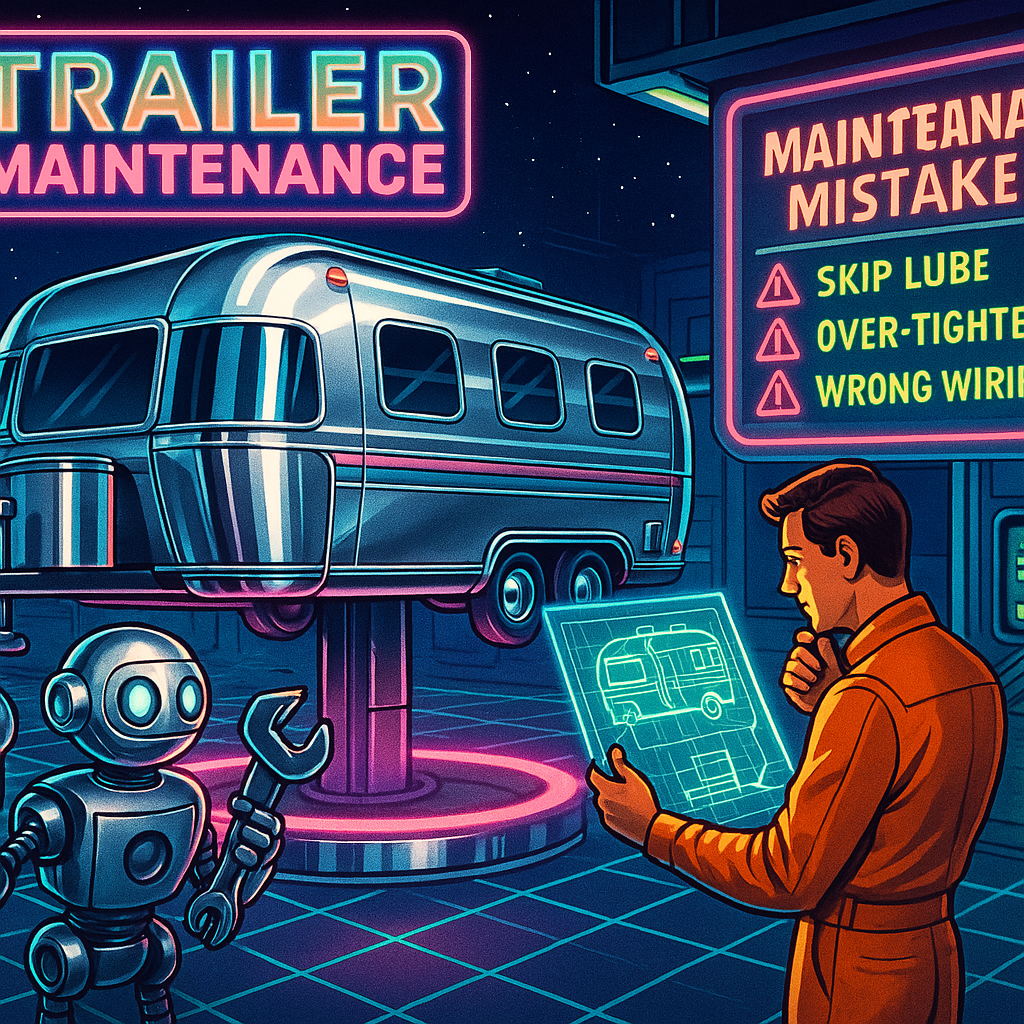
Trailer maintenance mistakes that cost contractors time and money
I learned this on a Tuesday morning. We had a job that needed a dump trailer and a last minute parts run. The trailer left the yard with a slow leak in a tire, a loose lug on the near side, and the center jack that had been misaligned for months. Two hours later we were roadside, the crew half a day behind, and a client asking why we were late.
That day taught me a clear rule: small, repeatable trailer maintenance mistakes add up into big operational failures. This piece walks through the most common errors I see and practical fixes that fit a busy shop or a one-truck operation. I call out processes you can copy and adapt.
Start with the inspection that will actually get done
Inspections that live only in your head do not work. You need a simple, repeatable routine that the person who hooks up the trailer can complete in less than five minutes.
Begin with the basics every time you leave the yard. Check tire pressure and condition. Walk both sides and look for loose or missing lug nuts. Test lights and the wiring plug. Raise and lower the trailer jack. Charge the battery for electric brakes if present.
Write the items on a laminated checklist and tape it inside the hitch box or toolbox. Keep a felt-tip pen nearby. The trick is making the inspection too easy to skip.
Prioritize the small things before they become big failures
Most costly breakdowns start with a small, visible fault. A tire with a bubble, a weld showing hairline cracks, corroded electrical contacts. Fix those now.
Address torque on lug nuts with a calibrated torque wrench and a log. Re-torque after the first 50 miles following a wheel service. For grease points, set a mileage or hour interval that works for the trailer type. Electric brake magnets need cleaning and measurement. Record wheel bearing adjustments and seal replacements.
Schedule those minor repairs the same way you schedule fuel deliveries. Treat them as operational necessities not optional extras.
Train the crew on predictable, repeatable checks
Operators are the first line of defense. Teach them to spot three signs that demand immediate attention: uneven tire wear, fresh oil or grease drips, and abnormal vibration in towing.
Run short, practical toolbox talks. Use a real trailer and demonstrate how loose lug nuts feel before a failure. Rotate who leads these talks so everyone understands maintenance responsibilities. Leadership that models consistent inspection behavior reduces finger pointing after problems occur. Consider building a short internal guide that explains how to document issues and whom to notify.
Build maintenance into scheduling and quoting
Hidden maintenance costs ruin margins. When you estimate a job, include a conservative allowance for routine trailer maintenance and unexpected minor repairs. That prevents decisions that push maintenance past safe limits.
Put routine maintenance blocks into your calendar, not as vague reminders but as booked shop time. If you operate several trailers, stagger maintenance so you never have all equipment out of service at once. Track downtime and correlate it to missed inspections to find patterns.
Seasonal planning prevents common winter and summer failures
Cold weather kills batteries and stiffens seals. Hot weather forces tire pressures up. Plan for seasonal shifts.
Before winter, test batteries under load and replace weak units. Inspect seals on doors and ramps and lubricate moving parts. For summer, check cooling vents and verify tire pressures once daytime highs exceed 85°F. In both seasons, replace consumables like light bulbs and fuses on a schedule rather than waiting for them to fail in the field.
If you run trailers in salty environments, add a corrosion inspection to the seasonal checklist. Pay attention to wiring harnesses that run along the frame. Corrosion will hide in connectors and cause intermittent faults that are hard to diagnose on the road.
Use data to steer preventive maintenance decisions
Log every repair and inspection. Over time you will see patterns. One axle may require wheel-bearing jobs more often. A particular trailer may have recurring electrical issues. Use those data points to decide whether to refurbish components or retire a trailer earlier than expected.
If you do any online research or want to tighten your web presence around operational topics, basic seo practices can help your how-to content reach peers and attract reliable applicants who value well-run equipment.
Midway through the season, pull maintenance logs and hold a short review. That conversation will surface small but costly mistakes before they repeat.
Close with the mindset that keeps trailers working
The difference between a reliable fleet and one that drifts is discipline. Make inspections quick and unavoidable. Treat small repairs as scheduled work. Train the team to notice and report issues. Use records to change course before a problem becomes a breakdown.
Good maintenance is not glamorous. It is steady, predictable work that keeps jobs on time and bills paid. If you want to strengthen the human side of how the shop runs, study basic leadership ideas about accountability and learning from mistakes.
One last note from the roadside that Tuesday: a new lug, a fresh air gauge, and a short checklist would have saved the day. You do not need a big budget to cut downtime. You need a plan you will use every time you pull a trailer out the gate.
You will still get surprised. The goal is to reduce those surprises so they cost time, not clients.
Leave a Reply