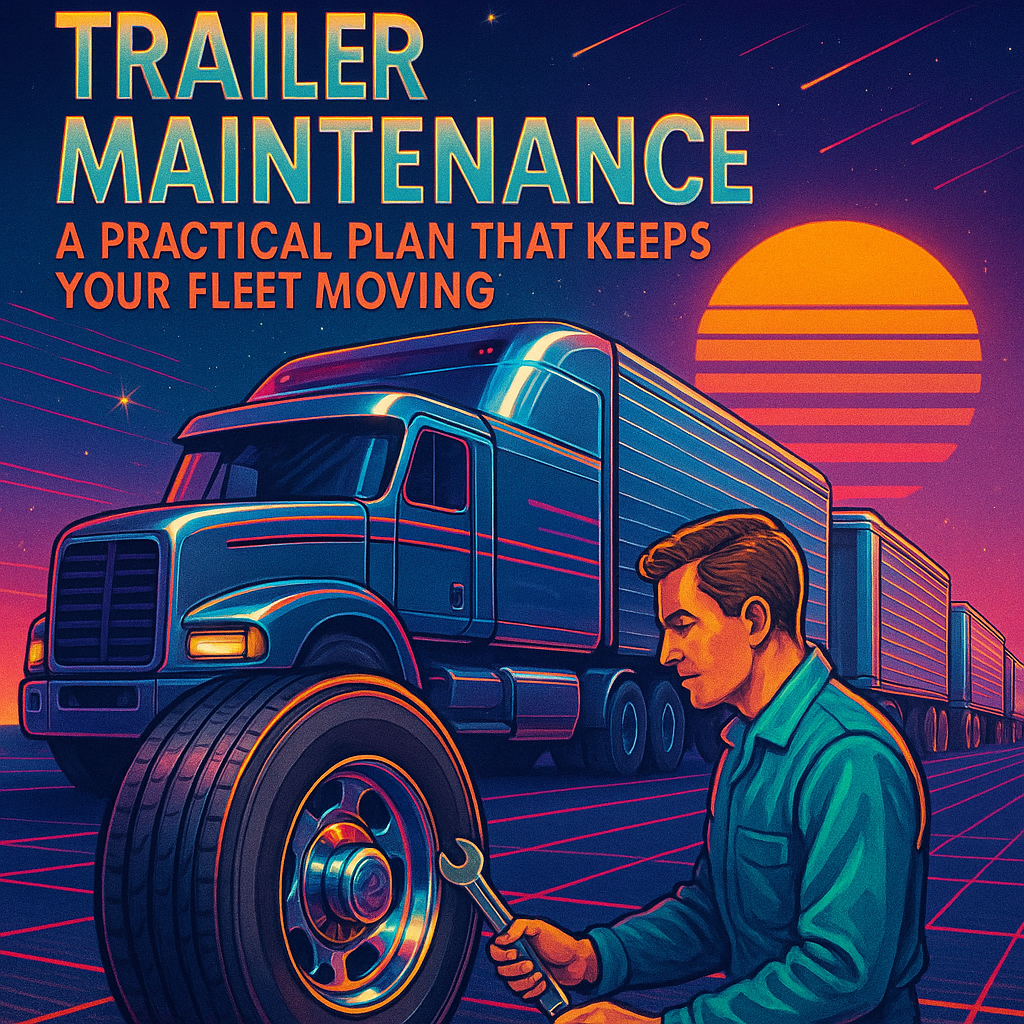
Seasonal Trailer Maintenance: A Practical Plan That Keeps Your Fleet Moving
I pulled into the jobsite the first week of March and found a trailer with a blown axle seal and mud-packed brakes. It cost a day of work and a tow. That morning reminded me that seasonal trailer maintenance is not a checklist you run through once a year. It is a rhythm you build into operations so trailers stay tools, not liabilities.
When you run trailers for a living—hauling, landscaping, contracting, or rentals—weather and usage change fast. The right seasonal trailer maintenance plan reduces downtime, extends component life, and keeps safety audits clean. Below I share a field-tested approach I use with crews: simple inspections, predictable servicing windows, and how to get buy-in from people who would rather be hauling.
Start with a short, repeatable seasonal trailer maintenance inspection
Create a one-page inspection that a driver or tech can complete in five minutes. Focus on things that fail between jobs: tires, lights, wheel bearings, coupler and safety chains, and the trailer’s electrical connector.
Do this inspection at the start of each season and after any heavy run. Record mileage or hours and note anything that looks different from the last check. Keep the form in the glovebox or on a phone form. Small friction when returning to the yard is the enemy. Make the inspection routine obvious and fast.
Schedule maintenance windows by season, not by calendar date
Don’t set service by fixed dates. Base the schedule on seasonal triggers: salt exposure in winter, high-humidity months, and heavy-use periods like harvest or construction season.
For example, after winter salt runs end, flush and re-grease bearings and inspect brake drums. Before the busy season, move through tires and wheel torque, check suspension hangers, and test lights under load. After the busy season, do a deeper inspection for corrosion and fastener fatigue.
This trigger-based approach keeps work aligned with what actually harms trailers, not with an arbitrary date on the calendar.
Build a low-cost parts rotation system and a tool kit for the road
Failures rarely happen alone. If a seal leaks, axle bearings often need attention. Stock a small bin with fast-moving parts: wheel bearings, seals, high-load lug nuts, spare light clusters, and a spare electrical pigtail.
Train drivers to carry a compact road kit: wheel chocks, a torque wrench, a spare trailer plug, a basic sealant, and emergency lights. Replace anything used immediately. The cost of one on-site fix is almost always lower than a tow and a lost day.
Make maintenance a people problem, not just a parts problem
If maintenance is assigned to one person, it becomes single-point failure. Spread responsibility through clear roles. Drivers perform the quick inspection. A mechanic or lead tech owns scheduled greasing and brake service. A manager tracks records.
Create short feedback loops so drivers report small issues before they become big ones. Invest in basic crew training on bearing inspection and lug torque. Leadership that understands the business of downtime changes behavior; when supervisors model consistency, crews follow. For a useful primer on leading practical change in field teams see this resource on leadership.
Use simple metrics and keep records you can actually read
Track three things: downtime hours, roadside repairs, and repeat failures by trailer. Record these in a single shared spreadsheet or simple shop log. Review the log weekly during peak seasons and monthly in slow seasons.
If a particular trailer racks up repeat brakes or bearing issues, retire it for a deep inspection. Know which trailers absorb the most hours. That tells you where to invest in upgrades or replacements.
Plan for exposure: salt, water, and payload
Salt shortens the life of axles, springs, and fasteners. After winter runs flush components and spray corrosion inhibitors on vulnerable areas. For wet-season work, prioritize sealed electrical connectors and check floor fastenings.
Match trailers to payloads. Overloading a light trailer for months simply accelerates wear and creates hidden failures. If you must run heavier loads, tighten inspection frequency and increase greasing intervals.
Keep your paperwork and your online presence supporting honest work
Customers and inspectors check records. Keep simple, accurate maintenance logs that show regular service and responsible repairs. Those logs matter at dispute time and during safety audits.
Also remember that steady, factual online information helps customers and subcontractors find you when they need a trailer-based solution. A practical, searchable site with clear service pages makes it easier for local partners to understand your capabilities. If you need basics on how local businesses use seo to get found, there are straightforward, non-technical guides available.
Closing: small routines prevent big disruptions
The costliest maintenance decisions are the ones you did not make. A short inspection habit, service windows tied to exposure, a small stock of spares, and shared responsibility stop small problems from stealing days. Treat seasonal trailer maintenance like a crew routine. Do it often. Keep the steps simple. When a trailer is a reliable tool, your business runs on time and your team keeps moving.
You will still get surprises. You will still spend a day fixing something you did not expect. But with a plan that respects seasons, exposure, and human habits, those days become rare instead of routine.
Leave a Reply