Trailer maintenance plan: field-tested routines that save time and money
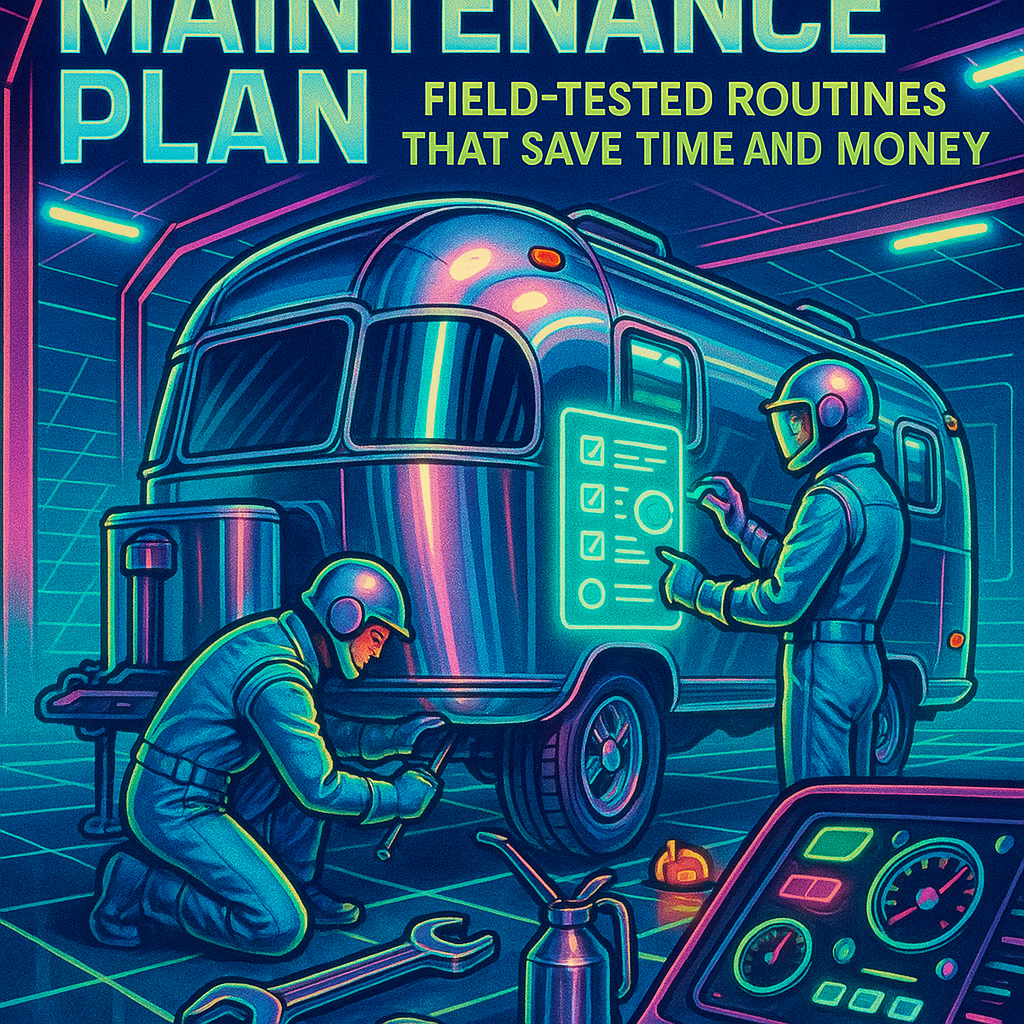
Trailer maintenance plan: field-tested routines that save time and money
I remember a Monday morning on a highway jobsite when a seemingly small failure turned a full-day run into a scramble. A trailer wheel bearing had failed quietly overnight. The job was time-sensitive. The crew waited while I improvised a parts run, and we lost daylight and margin. That day taught me to stop treating maintenance as an afterthought and start treating it like scheduling: repeatable, documented, and owned.
A solid trailer maintenance plan prevents those interruptions. It keeps trailers available, reduces repair bills, and keeps crews safe. Below I lay out practical, field-proven routines that any operator can adopt, whether you run a one-trailer outfit or a fleet used by multiple crews.
Start with a simple, repeatable checklist
Complex systems fail because small things were missed. Build a one-page checklist that technicians and drivers can run through before each trip.
Keep the checklist short. Include tire pressure and condition, wheel bearings and hub temperature, lights and wiring integrity, hitch and safety chains, brake function, load securement points, and visible frame damage. Put the checklist where the crew can sign it each day. That creates accountability.
A pre-trip walkaround done consistently catches most problems before they become breakdowns. When something is found, add one line to the checklist: who fixed it, when, and what parts were used. That traceability pays back when you need to spot recurring failures.
Schedule maintenance by hours and miles, not just calendar days
Trailers in heavy rotation wear differently than rarely used units. I switched to a dual-trigger approach years ago: routine service every 3 months plus an inspection after every 500 highway miles or after 40 hours of cumulative use for low-speed towing.
This method catches mileage-driven wear like tires and bearings while the quarterly check focuses on corrosion, wiring, and structural checks. For construction work or off-road use, shorten the intervals. If your trailers spend a lot of time on gravel or in salt, plan for more frequent greasing, hub inspections, and undercarriage washouts.
Keep a simple logbook in each trailer or use a shared spreadsheet. If a trailer shows unusual wear, reduce its interval and note the reason. Data-driven adjustments reduce downtime.
Train the team to spot trouble early
Technicians do the heavy lifting, but drivers see the trailer every day. Train drivers to be the first line of defense. Teach them a few quick checks they can do in under five minutes.
Show them what a hot hub feels like after a short run. Demonstrate what a loose lug looks and sounds like. Train them to listen for dragging brakes and to recognize electrical flicker. Make these checks part of the pre-trip routine.
When drivers understand the consequences, they report issues sooner. Create a simple reporting path. A photo and a short note via text or app speeds repairs and keeps the log consistent.
Standardize parts and store spares for common failures
Downtime usually comes from waiting for parts. Identify the handful of parts that fail most often on your trailers and stock them. In my business that list included bearings, seals, hub kits, trailer bulbs, and a couple sizes of fuses.
Use standardized parts across as many trailers as possible. That reduces inventory complexity and speeds repairs. Label your spare parts clearly and keep an inventory count. When a part is used, replenish it immediately and note the cost against that trailer’s maintenance record.
This reduces the improvisation that cost me daylight on that highway job. It also helps technicians stay consistent, which reduces installation errors.
Use inspection data to prioritize capital decisions
When you capture maintenance data, patterns emerge. One trailer might show repeated axle issues while another shows frame rust. These signals tell you whether to repair, retire, or upgrade.
Maintain a rolling 12-month maintenance cost per trailer. When a unit’s annual maintenance exceeds 40 percent of its replacement cost, it is usually time to replace it. That threshold depends on your operation and the trailer type, but tracking the metric makes decisions objective instead of emotional.
Document recurring failures and treat them as lessons. Fix the root cause. For example, repeated wiring corrosion may mean you need to change routing, add protective conduit, or specify a different connector type.
Mid-article resources that help shape teams and visibility
Running reliable field operations depends on clear leadership and predictable online visibility for hiring and parts sourcing. Leadership that enforces simple routines and rewards reporting changes behavior fast. Meanwhile, solid seo helps crews and buyers find your inventory and spare parts listings when they search locally.
Those two elements—strong on-the-ground leadership and clear online discovery—work together. Teams execute routines. Customers and suppliers find you when they need to.
Close the loop: reviews, audits, and continuous improvement
Set a monthly audit where a supervisor reviews a sample of checklists and repair logs. Look for common faults, repeated missed checks, and parts consumption anomalies. Use that time to retrain crews on specific items.
Every quarter, walk one of your trailers end to end with a fresh checklist and a different pair of eyes. An audit often finds things crews become blind to. Keep the focus on reducing avoidable repairs and improving turnaround time between jobs.
The point is not perfection. It is steady improvement. A trailer maintenance plan that lives on paper does little. One that crews touch every day becomes operational muscle.
When you leave the jobsite at the end of a long day, you want confidence the trailer will be ready tomorrow. A simple checklist, interval rules tied to use, team training, a small spare-parts stock, and data-driven capital choices give you that confidence. Those are the routines that recover days of productivity every year. They cost little and return both time and margin.
Run the plan. Keep it honest. Inspect the results. You will be surprised how often a small habit prevents a big problem.
Next move: turn this article into a checklist, a comparison guide, or a renter FAQ so the site builds topical depth.