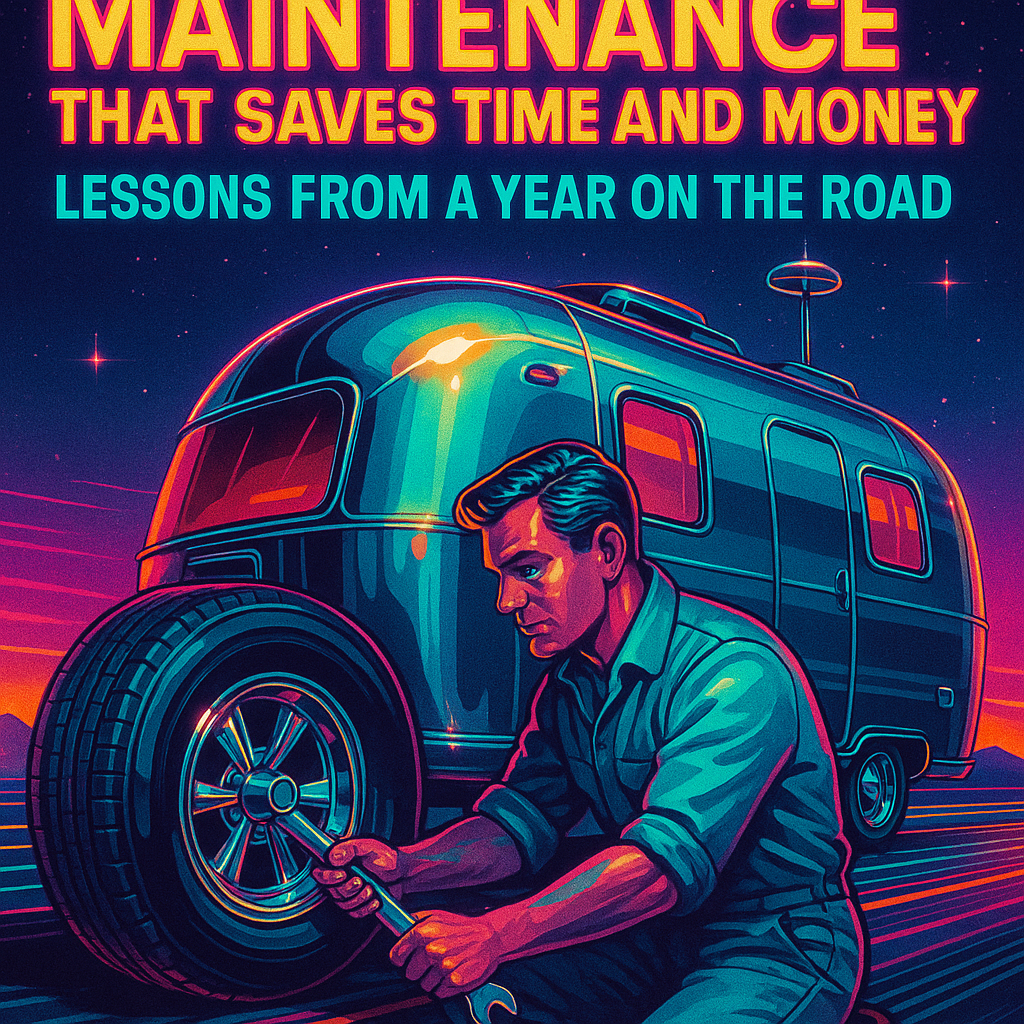
Trailer maintenance that saves time and money: lessons from a year on the road
I learned the hard way that a day lost to a broken axle or a fried wiring harness costs more than parts and labor. On a spring morning, a routine delivery turned into a three-day delay because a neglected bearing failed 200 miles from the yard. That one failure forced route changes, overtime, and a frustrated crew. From that moment, trailer maintenance became the business process it should have been—not a task for ‘when we have time.’
This article walks through practical, repeatable maintenance routines that cut downtime, trim operating costs, and keep trailers rolling. The primary keyword trailer maintenance appears throughout because it matters wherever trailers do real work.
Start with a predictable inspection routine
Treat inspections like a production line step. Instead of waiting for a problem to appear, run short pre-trip checks and longer monthly inspections on a predictable schedule. Keep a simple checklist and train every operator to use it every time.
What to check on every pre-trip
Tires, lights, and coupler
Tire pressure and tread come first. Underinflated tires build heat and kill wheel bearings faster. Verify lights and signals before you leave. A loose coupler or worn safety chains are small fixes that prevent catastrophic failures.
Brakes and bearings
Listen for unusual noises when rolling a trailer by hand. Damp, gritty bearings or a dragging brake show up quickly if you look. Replace worn pads and repack or replace bearings on a set schedule tied to miles or months, not “when they act up.”
Build maintenance into routes and schedules
Maintenance that waits for downtime rarely happens. Instead, design routes and schedules to include short maintenance windows. For businesses that run multiple trailers, rotate units through quick service bays every few weeks.
Make maintenance predictable by tracking usage
Measure trailer miles, loaded hours, and environmental stress like salt or heavy dust. Use those numbers to set maintenance intervals. A trailer that carries salt or works in mud needs different service than one used for local, dry deliveries.
Document what you do. A simple log with date, work performed, and who signed off prevents blame games and shows trending issues before they fail.
Use the right spares and the right level of inventory
Carrying every possible spare defeats the point of being nimble. Too few parts means long waits. The smart middle ground is a focused spare kit.
What belongs in a mobile spare kit
Keep tires, a spare hub or bearing kit, a set of brake components common to your fleet, spare bulbs and fuses, and basic electrical connectors. Store fast-moving small parts in a well-labeled box and replenish it after any repair.
When to keep a depot stock
If your fleet is large enough, maintain a small on-site stock of parts that frequently fail or have long procurement lead times. That reduces truck-down time and avoids emergency purchases at premium prices.
Train people for ownership and small repairs
Maintenance is faster and cheaper when operators own basic tasks. Teach every driver how to change a tire safely, check trailer wiring, and torque wheel studs. Confidence here prevents small problems cascading into big ones.
When training matters most
Short, hands-on sessions work better than manuals. Run quarterly refreshers and test people with real tasks. A crew that can diagnose electrical shorts or recognize a wheel bearing on the way out saves the business hours and hassle.
Learn from failures and close the loop
Every breakdown is feedback. When something breaks, do a quick post-mortem. Ask what signs were missed, how the schedule or inventory contributed, and what process change would prevent recurrence.
Two simple post-mortem steps
- Record the sequence: symptoms, diagnostics, repair, and delay time.
- Assign one improvement and a deadline. Make the fix small and measurable.
Those small changes compound. One shop I worked with added a single wiring harness clamp to a trailer and reduced recurring short circuits on that circuit by half.
A mid-article note on planning and culture
Good maintenance depends on clear leadership and the right visibility into operations. If you want ideas for building routines that stick, start with training and then add processes that people can follow. Leadership matters here: consistent expectations, visible metrics, and regular reviews make maintenance a predictable business input rather than an emergency output. For frameworks and concepts about operational leadership, see leadership.
Equally, if you need to understand how visibility and searchability help customers and technicians find resources about trailer maintenance, reading material about practical online strategy helps. Consider basic principles of seo for service businesses to make documentation and parts lists easier to find by your team and vendors.
Closing insight: make maintenance reliable, not heroic
Heroic fixes are expensive. Reliable maintenance is predictable. Turn inspections into a habit, measure usage, stock the right spares, and teach your people to fix small problems before they grow. Do those things and you will reduce downtime, lower emergency repair costs, and keep work on schedule.
A trailer that is cared for on purpose becomes a tool you can count on. The cost of that attention shows up not as parts and labor but as preserved schedules, steadier revenue, and fewer late-night repairs. Start small, keep it consistent, and let the process save you time and money.
Leave a Reply