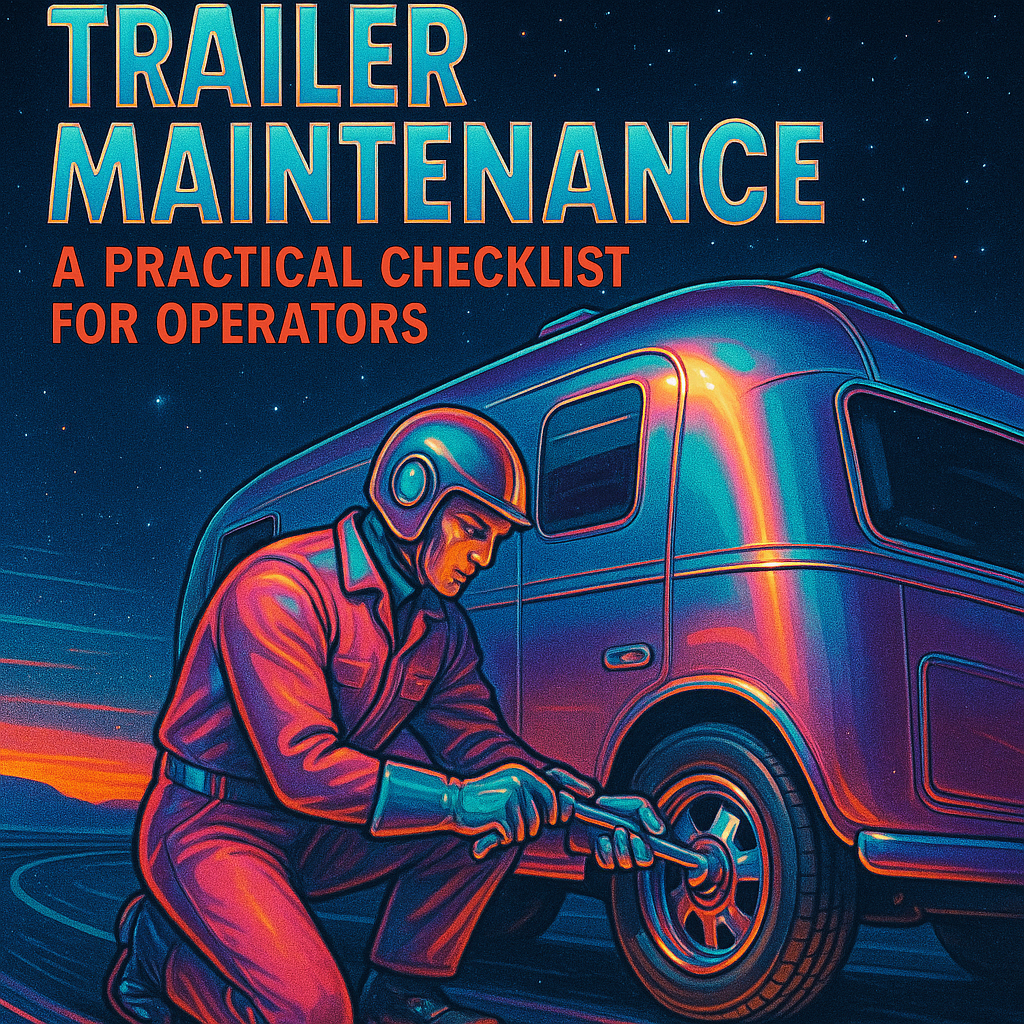
Seasonal Trailer Maintenance: A Practical Checklist for Operators
I learned the hard way the winter after I ignored a simple check and lost three days of jobs waiting on a trailer part. Seasonal trailer maintenance is what separates crews who roll out on time from crews who spend workweeks troubleshooting avoidable failures.
This article walks through a pragmatic seasonal trailer maintenance checklist built for dealers, contractors, and tradespeople. It focuses on tasks you can do on the shop floor or the jobsite, shows what to prioritize, and explains how small habits save time and money over a season.
Why seasonal trailer maintenance matters now
Trailers sit through extremes. Cold shrinks rubber and stiffens hydraulics. Heat ages wiring and dries out seals. Spring and fall are the two windows when preventive work repays itself the fastest.
A short, deliberate seasonal inspection prevents roadside failures, keeps insurance claims low, and protects your schedule. Think of maintenance as logistics: a predictable trailer is an on-time trailer.
The seasonal trailer maintenance checklist you can use today
Start with a walkaround and a written log. Do not rely on memory. Record the date, odometer or hour meter, and any observations. This simple practice makes recurring problems visible over time.
Hitches and coupling
Check mounting bolts and safety chains for tightness and wear. Grease moving parts, but inspect first; excessive grease can hide cracks. Test the coupler latch under load. A loose hitch creates variable handling and can bend tongues.
Brakes and electrical
Inspect brake shoes or pads, drums and rotors for scoring and uneven wear. Confirm ESC or electric brake controllers function before heavy loads. Walk the entire harness and test every light. A corroded ground is a common source of intermittent problems.
Suspension and tires
Measure tire tread and monitor for cupping or feathering. Rotate tires if your trailers sit long between jobs. Check air bags, leaf springs and shackles for cracks, rust-through and proper torque. Small sagging issues turn into frame stress if left unattended.
Wheels and bearings
Service wheel bearings following a time- or mileage-based schedule. Repacked bearings and fresh seals stop heat-related failure that appears suddenly. Use correct bearing grease and a torque wrench on lug nuts every time.
Hydraulics and pumps
Look for signs of contamination in hydraulic fluid and track fluid levels. Replace filters on a schedule and test cylinder seals under pressure. A small seal leak often becomes a lost day on site when parts are delayed.
Body, doors and weather seals
Inspect door hinges, latches and weather seals for compression set or tears. Replace damaged seals before rain seasons. Water intrusion rots floors and creates electrical shorts that are hard to diagnose later.
Fasteners and frame
Walk the frame and check for cracked welds, missing bolts and signs of stress around mounting points. Tighten bolts to factory torque specs. A visual inspection once a season catches fatigue before failure.
Safety gear and emergency kit
Verify the fire extinguisher, reflective triangles, and first aid supplies are within reach and in-date. Keep the trailer supplied with essential spares: a master electrical plug, a set of replacement bulbs, a spare tire and a simple seal/adhesive kit.
How to schedule seasonal work without hurting uptime
Plan a short, standard operating procedure for each season and train one tech to own the checklist. Make the inspection a billable or scheduled non-billable service so it occurs consistently.
Batch similar trailers together. If you manage a fleet, take two trailers a week out of rotation rather than one long outage. Staggered work reduces peak disruption and spreads parts demand over time.
Use logs to forecast parts. Low-turn items like seals and bearings become bottlenecks once multiple trailers show the same wear pattern. Forecast quantities from inspection logs and order parts in a single purchase to reduce lead time.
Document failures and fix sources. If you find a recurring issue, dig one level deeper. For example, repeated lug-nut loosening often ties back to hub/axle runout or incorrect torque procedure. Fix the root cause, not just the symptom.
Leadership and crew habits that make maintenance stick
Maintenance succeeds or fails on the shop culture. Good teams treat checks like route planning. Make the checklist visible, short, and repeatable. Reward accuracy over speed.
Teaching a new technician how to inspect a coupler or interpret bearing heat does more than stop breakdowns. It builds competence and confidence across the crew. For guidance on building durable crew practices, consider resources that focus on practical leadership for field teams.
Pair training with measurement. Track how inspections affect downtime and repair costs. A clear link between inspection hours and fewer roadside calls wins buy-in faster than abstract arguments.
One small change to start this season
Pick one recurring failure you see in your trailers and add a single specific check to the seasonal checklist that targets that failure. Run that check for three months and measure results.
Most operators underestimate the compounding effect of small fixes. Catch one loose lug, one cracked seal, or one failing light early and you avoid the dominoes that follow.
Mid-season, review your inspection logs and adjust intervals. Seasonal maintenance is iterative. You will refine the checklist as patterns emerge.
For help with online visibility and simple content that helps customers find your maintenance services, basic seo resources can clarify which terms job-site customers search for.
Final insight
Seasonal trailer maintenance is not a one-time chore. It is a rhythm that keeps trailers working when you need them most. Short, documented checks, routine parts forecasting, and consistent crew habits reduce surprises and protect schedules.
If you leave anything to chance, it will be the thing that stops you on a Monday morning. Start this season with the checklist above and treat one small recurring problem until it disappears. You will save more than parts—you will save days.
Leave a Reply