Author: RV and Trailer Rental News
-

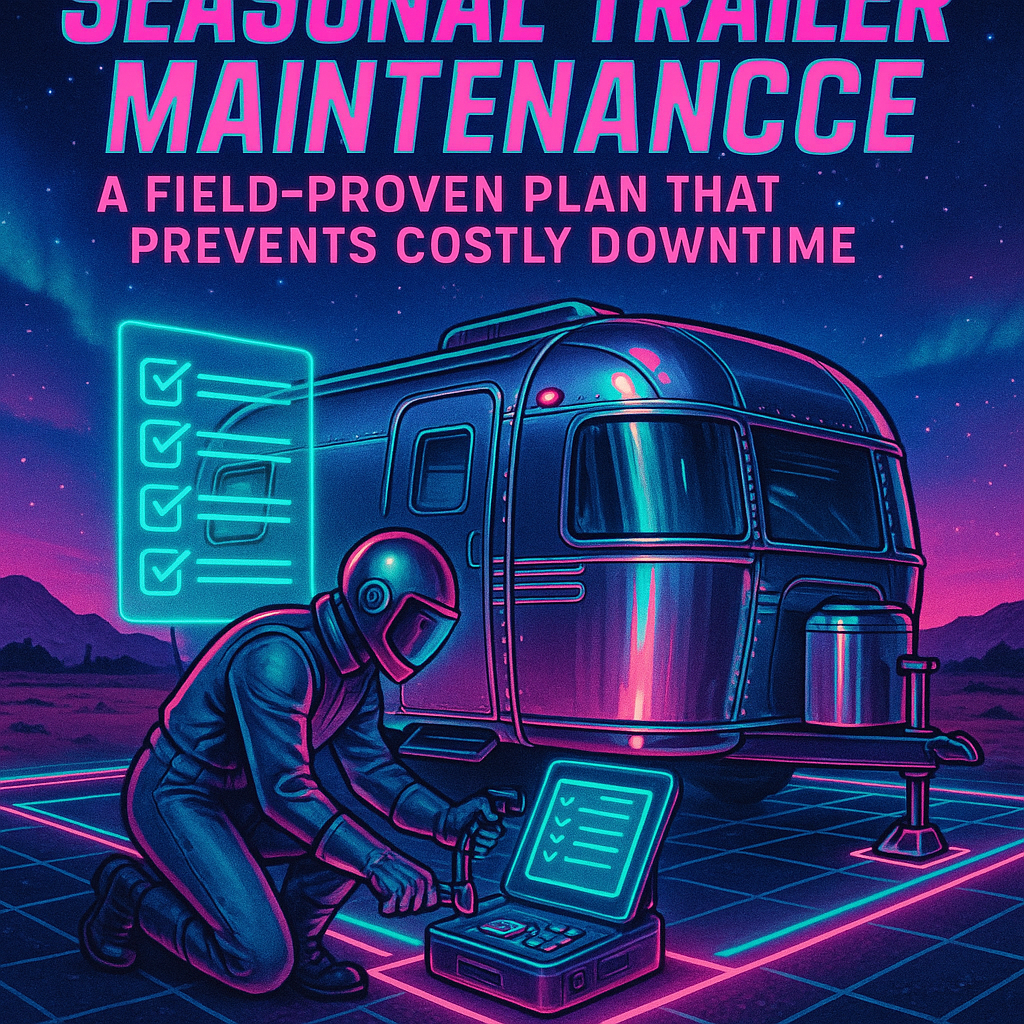
Seasonal Trailer Maintenance: A Practical Plan That Keeps Your Fleet Moving
I pulled into the jobsite the first week of March and found a trailer with a blown axle seal and mud-packed brakes. It cost a day of work and a tow. That morning reminded me that seasonal trailer maintenance is not a checklist you run through once a year. It is a rhythm you build into operations so trailers stay tools, not liabilities.When you run trailers for a living—hauling, landscaping, contracting, or rentals—weather and usage change fast. The right seasonal trailer maintenance plan reduces downtime, extends component life, and keeps safety audits clean. Below I share a field-tested approach I use with crews: simple inspections, predictable servicing windows, and how to get buy-in from people who would rather be hauling.Create a one-page inspection that a driver or tech can complete in five minutes. Focus on things that fail between jobs: tires, lights, wheel bearings, coupler and safety chains, and the trailer’s electrical connector.Do this inspection at the start of each season and after any heavy run. Record mileage or hours and note anything that looks different from the last check. Keep the form in the glovebox or on a phone form. Small friction when returning to the yard is the enemy. Make the inspection routine obvious and fast.Don’t set service by fixed dates. Base the schedule on seasonal triggers: salt exposure in winter, high-humidity months, and heavy-use periods like harvest or construction season.For example, after winter salt runs end, flush and re-grease bearings and inspect brake drums. Before the busy season, move through tires and wheel torque, check suspension hangers, and test lights under load. After the busy season, do a deeper inspection for corrosion and fastener fatigue.This trigger-based approach keeps work aligned with what actually harms trailers, not with an arbitrary date on the calendar.Failures rarely happen alone. If a seal leaks, axle bearings often need attention. Stock a small bin with fast-moving parts: wheel bearings, seals, high-load lug nuts, spare light clusters, and a spare electrical pigtail.Train drivers to carry a compact road kit: wheel chocks, a torque wrench, a spare trailer plug, a basic sealant, and emergency lights. Replace anything used immediately. The cost of one on-site fix is almost always lower than a tow and a lost day.If maintenance is assigned to one person, it becomes single-point failure. Spread responsibility through clear roles. Drivers perform the quick inspection. A mechanic or lead tech owns scheduled greasing and brake service. A manager tracks records.Create short feedback loops so drivers report small issues before they become big ones. Invest in basic crew training on bearing inspection and lug torque. Leadership that understands the business of downtime changes behavior; when supervisors model consistency, crews follow. For a useful primer on leading practical change in field teams see this resource on leadership.Track three things: downtime hours, roadside repairs, and repeat failures by trailer. Record these in a single shared spreadsheet or simple shop log. Review the log weekly during peak seasons and monthly in slow seasons.If a particular trailer racks up repeat brakes or bearing issues, retire it for a deep inspection. Know which trailers absorb the most hours. That tells you where to invest in upgrades or replacements.Salt shortens the life of axles, springs, and fasteners. After winter runs flush components and spray corrosion inhibitors on vulnerable areas. For wet-season work, prioritize sealed electrical connectors and check floor fastenings.Match trailers to payloads. Overloading a light trailer for months simply accelerates wear and creates hidden failures. If you must run heavier loads, tighten inspection frequency and increase greasing intervals.Customers and inspectors check records. Keep simple, accurate maintenance logs that show regular service and responsible repairs. Those logs matter at dispute time and during safety audits.Also remember that steady, factual online information helps customers and subcontractors find you when they need a trailer-based solution. A practical, searchable site with clear service pages makes it easier for local partners to understand your capabilities. If you need basics on how local businesses use seo to get found, there are straightforward, non-technical guides available.The costliest maintenance decisions are the ones you did not make. A short inspection habit, service windows tied to exposure, a small stock of spares, and shared responsibility stop small problems from stealing days. Treat seasonal trailer maintenance like a crew routine. Do it often. Keep the steps simple. When a trailer is a reliable tool, your business runs on time and your team keeps moving.You will still get surprises. You will still spend a day fixing something you did not expect. But with a plan that respects seasons, exposure, and human habits, those days become rare instead of routine. -

Trailer Maintenance Checklist: Common Mistakes That Cost Time and Money
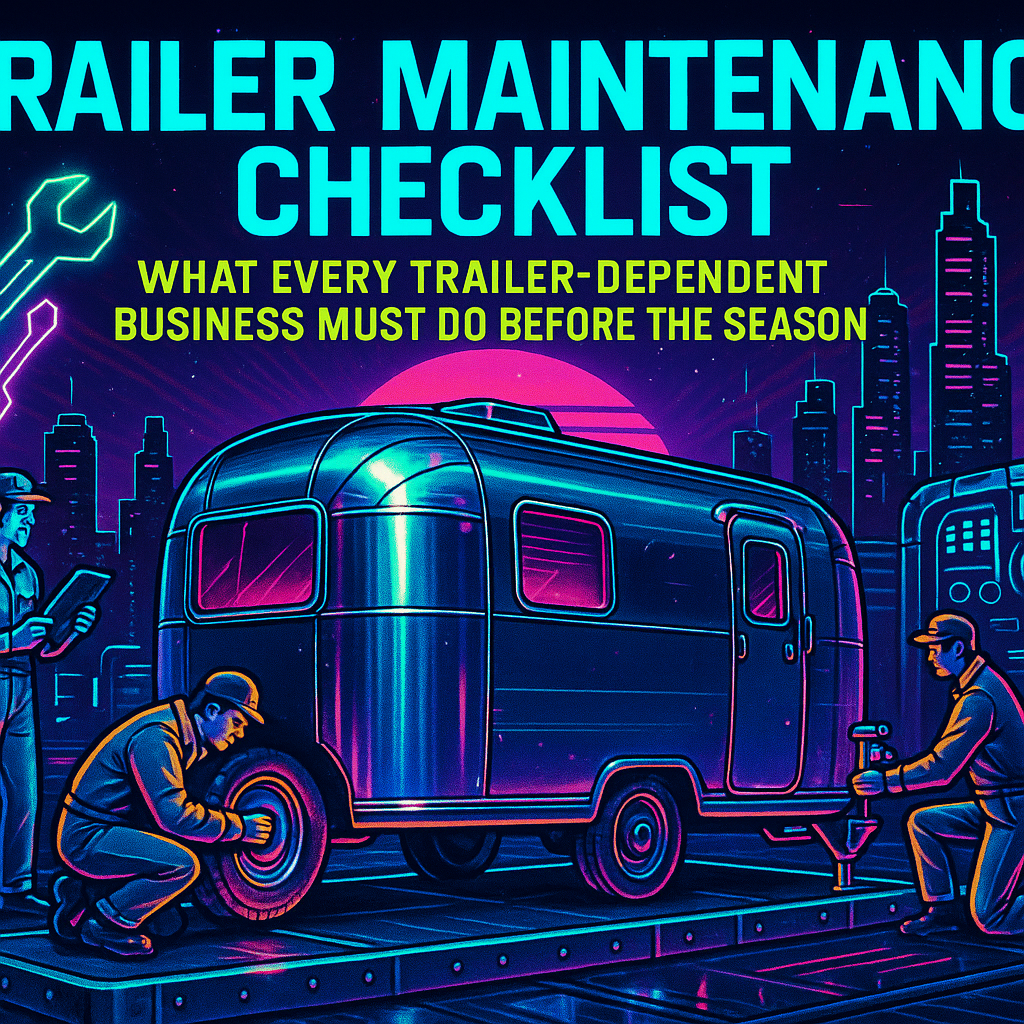
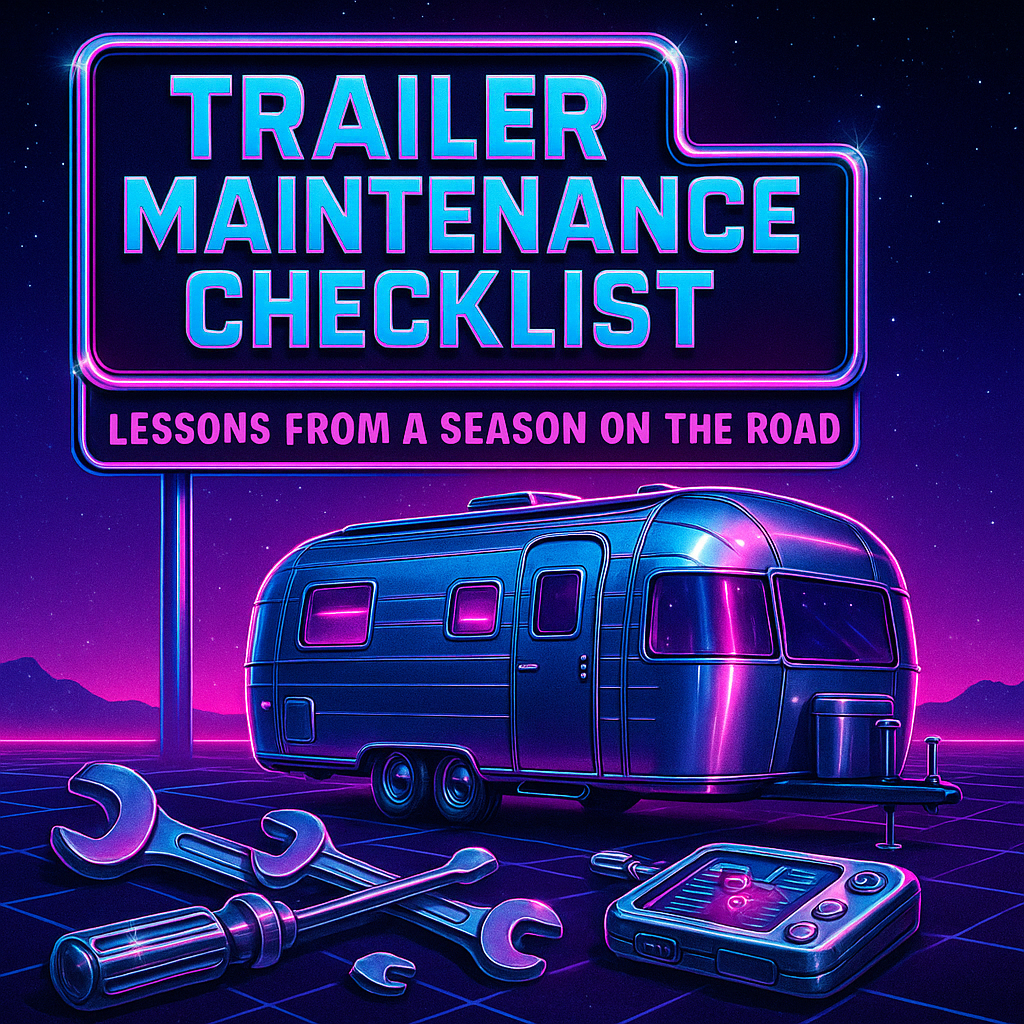
I learned the hard way that a good trailer maintenance checklist is not an optional file in the glovebox. On a wet Tuesday in late fall, a routine haul turned into a day-long repair when a neglected hub failed on the interstate. The load was safe, but my schedule and profit took a hit that could have been avoided with a few simple habits.This piece walks through the costly mistakes I see every season and the exact fixes crews can implement. These are practical steps for owners, fleet managers, and tradespeople who rely on trailers to keep work moving.Overlooking wheel-end checks that lead to roadside breakdowns
Wheel-end failures show up fast and without warning. Most start as a minor vibration or a slightly warm hub at the end of a long run.Start with the basics on every pre-trip: lug nut torque, bearing play, and hub temperature. Torque lug nuts to the manufacturer spec and recheck after the first 50 miles following any wheel work. If you use greaseable bearings, inspect the grease condition and replace seals at the first sign of contamination.Quick inspection routine
Walk around the trailer before you tow. Spin wheels by hand when safe. Look and feel for looseness. Carry an infrared thermometer for spot checks during long hauls. This small tool catches overheating hubs early and costs less than a single tow.Skipping electrical checks and letting small faults become big problems
A broken tail light is frustrating, but a shorted harness can take a trailer out of service. Corrosion in connectors, pinched wires, or a failing junction box often start as intermittent issues that escalate.Inspect connectors for corrosion and proper seating. Use dielectric grease on exposed pins and strain-relieve any wiring that rubs against metal edges. Replace brittle wires before they fail in the field.Power source and ground integrity
Test the tow vehicle and trailer ground together. Poor grounding leads to dim lights, false ABS faults, and unreliable brakes on electric-over-hydraulic systems. Confirm continuity from the trailer frame to the connector ground pin and secure any loose bolts.Ignoring suspension and frame wear until it becomes a safety risk
Trailers get heavy loads, rough roads, and frequent stops. Suspension components wear predictably, but operators treat them like surprises.Schedule an inspection every 6 months for leaf springs, shackles, hangers, and bushings. Replace worn shackles and cracked spring leaves immediately. A failing spring shifts the load path and accelerates wear on tires and axles.Frame and mounting points
Check welds, bolt torque, and mounting brackets for cracks. Hairline fractures can grow quickly under load. Use soap-and-water to identify slow leaks in sealed compartments or roof seams.Neglecting tires and alignment that eat profit quietly
Tires are the single largest recurring expense after fuel. Underinflation, uneven wear, and old age drain efficiency and invite blowouts.Perform a cold tire pressure check weekly for fleet trailers. Match tire pressures to load charts not to vehicle tires. Rotate tires on tandems and watch for feathering that signals misalignment.When to replace
Replace tires when tread reaches 4/32″ on steer or 2/32″ on trailers, or when sidewall damage appears. For trailers used in commercial service, age matters. Tires over six years need close inspection even if tread looks fine.Failing to document maintenance and losing institutional knowledge
Repair records and inspection logs are the difference between reactive fixes and planned, efficient upkeep. When only one person knows the quirks of a trailer, downtime increases when they are absent.Keep a simple, consistent log tied to each trailer. Note dates, mileage, torque values, and parts replaced. Over time this data reveals patterns: certain routes, loads, or operators that accelerate wear.This is where operational leadership matters. The best fleets combine practical checklists with clear roles so inspections happen reliably. If you want a concise primer on leading field teams and maintaining accountability, a short resource on leadership can help frame those conversations leadership.Midway through a season, use your logs to build an annual service calendar. That calendar stops surprises and spreads costs across quieter months.Small investments in organization that save big headaches
A compact parts kit for each trailer keeps common spares on hand. Include wheel studs, hub seals, fuses, a spare tail-light assembly, and a short length of electrical harness. Storing parts with clear labels prevents long waits and expensive emergency orders.Also, take a look at how your business appears online. When customers or partners search for your services, they find your trailer and equipment presence first. Improving basic site content and local listings is straightforward and useful; a primer on seo tailored to trailers will point you in the right direction seo.Closing: a maintenance mindset that protects revenue
The extra 30 minutes a week for a proper trailer maintenance checklist returns itself many times over. You stop losing days to breakdowns, you extend component life, and you maintain the trust of clients and crews.Practical habits win over heroic repairs. Torque, inspect, record, and replace on a predictable schedule. Teach those habits to your crew and embed them in your operations. The result looks boring on paper but reliable in the field. And reliability is where real profit and fewer headaches live. -
Creating a Clean and Modern Website for RV and Trailer Rentals
Introduction to RV and Trailer Rental Websites
Designing a clean and modern website for rvandtrailerrental.com is essential for connecting with the RV and trailer rental community. A well-structured platform can inform and engage users while showcasing the latest industry stories and trends. This blog post outlines the key elements required for a professional online presence.
Main Components of the Website
The RV and trailer rental website should feature only two main sections: the home page and a dedicated blog/news area. The home page serves as a landing hub, clustering essential information and guiding users seamlessly. The blog section is critical for sharing articles, news reports, and insights about local businesses, rental owners, and industry developments.
Design Aesthetic and Branding
To evoke feelings of freedom and exploration, the overall style should embrace a modern, adventure-outdoor aesthetic. Utilizing a primary color palette with deep forest green conveys reliability and community. Subtle backgrounds featuring scenic roads, RVs at campsites, and open landscapes can enhance engagement without overshadowing the content.
Moreover, keeping the interface uncluttered and user-friendly ensures visitors can easily navigate through categories or access archives, leading to a positive user experience. A professional web design will position rvandtrailerrental.com effectively within the industry, attracting both rental owners and travelers looking for insightful information.
-
Designing a Modern Website for the RV and Trailer Rental Community
Introduction to RV and Trailer Rental
The RV and trailer rental industry is experiencing significant growth, fueled by a desire for adventure and exploration. Designing a clean, modern website for rvandtrailerrental.com will serve as an essential platform for connecting rental owners, operators, and enthusiasts. The site should focus on delivering engaging stories, sharing valuable insights, and providing vital updates on the industry.
Essential Features of the Website
To effectively cater to the RV rental community, the website needs a streamlined structure consisting of two main sections: the home page and a blog/news area. The home page should offer a captivating introduction to visitors while showcasing vibrant imagery of RVs and scenic landscapes. The blog/news section should allow users to explore articles categorized by topics such as market trends, local rental businesses, and innovations. Offering an archive view will also ensure easy navigation and access to past content.
Establishing a Professional Appearance
The overall style and branding of the website should evoke feelings of freedom and reliability. A modern adventure-outdoor aesthetic can be achieved by choosing a deep forest green color palette, complemented by motifs of open roads and serene campsites in the background. By utilizing minimal design elements and focusing on readability, rvandtrailerrental.com will create a professional and welcoming environment for its users. This approach not only informs but also builds a strong community around the RV and trailer rental lifestyle.