Author: RV and Trailer Rental News

  • How One Breakdown Rewrote Our Rules: Practical Trailer Maintenance That Keeps Jobs Going

    How One Breakdown Rewrote Our Rules: Practical Trailer Maintenance That Keeps Jobs Going

    How One Breakdown Rewrote Our Rules: Practical Trailer Maintenance That Keeps Jobs Going

    I learned the hard way one wet Tuesday. We had a full load, a deadline, and a driver who swore the trailer was fine. Halfway to site the trailer brakes locked, the load shifted, and we lost three hours and a client’s trust. That day turned our loose habits into a plan. Trailer maintenance stopped being a checklist and became the difference between running late and staying in business.
    Trailer maintenance matters more than most owners admit. It prevents downtime, protects cargo, and keeps crews safe. Below I share the exact changes we made, the maintenance routines that actually work in the field, and the small investments that pay for themselves fast.

    Why proactive trailer maintenance saves jobs and money

    Breakdowns do more than cost a tow. They disrupt schedules, create safety hazards, and force overtime. For businesses that move equipment, materials, or people, the ripple effect hits billing, reputation, and crew morale.
    Start by treating trailers as mission-critical equipment. That changes priorities. Maintenance moves from ‘if we have time’ to ‘no job starts without this.’ The return shows up as fewer emergency repairs, steadier schedules, and faster turnarounds.

    Seasonal trailer maintenance checklist that actually fits fieldwork

    Out in the elements, seasons change what fails first. Create a short, seasonal checklist tailored to your region and stick it to the trailer frame.
    Spring
    Inspect suspension bushings, grease bearings, and check electrical harnesses after winter salt and grime. Replace any cracked wiring and reseal connectors.
    Summer
    Watch for heat-related tire wear and brake fade. Verify tire pressures before long runs. Inspect wheel bearings after high-mileage jobs.
    Fall
    Check lighting and replace bulbs before shorter, darker runs begin. Test braking performance with a loaded run to detect fading or uneven pull.
    Winter
    Use a lower-viscosity grease where recommended and protect connectors from ice buildup. Keep a heater or dehydrant in your storage area if you park trailers outside.
    Each seasonal check takes 20 to 45 minutes for a single trailer when you focus only on the critical items. That small block of time prevents multi-hour failures.

    Daily operational checks every driver should do before heading out

    Train every driver to do the same five-minute walkaround. This small routine catches most daylight failures.
    Look for loose hitch hardware, abnormal tire wear, and pinched or hanging cables. Listen for odd noises when you pull forward a few feet. Confirm lights with a partner or a portable tester.
    Record the check. A simple paper log or a timestamped photo solves disagreements later and creates a short history that helps you find recurring faults.

    Parts inventory, paperwork, and building crew ownership

    Keep a small, prioritized parts bin. Tires, a spare hub, wheel studs, cotter pins, an emergency light kit, and spare bulbs belong in the trailer or on the truck. Stock what your fleet fails on most, not what looks good on a list.
    Document service intervals clearly on each trailer's data tag. Use a visible tag near the coupler or on the inside of a service door. That low-tech reminder beats buried spreadsheets when someone’s under time pressure.
    Make maintenance part of crew culture. When frontline people feel ownership, they inspect more carefully and report sooner. Invest time in short, practical training sessions that focus on cause and effect. For example, show how a hairline crack in a hub can lead to a bearing failure and what to watch for.
    If you’re refining how teams lead and take responsibility, helpful resources on leadership show simple frameworks for accountability that translate to the yard.
    Mid-season, review your online presence so customers find accurate details about the types of trailers you work with. Simple improvements in seo help prospective clients understand your capabilities and reduce mismatched job requests.

    Load, hitch, and weight distribution practices that prevent trouble

    Most failures trace back to loading errors. Train loaders to place weight low and centered over the axle. Keep heavy items forward of the axle when possible to maintain tongue weight in the recommended range.
    Check and recheck the hitch. Tighten coupler bolts to spec and torque safety chains correctly. Verify that the breakaway system functions and that the battery for the brake controller holds a charge.
    Before long hauls, do a short, loaded test drive around the lot. Feel for pull, vibration, or wander. These early signs point to alignment, tire, or suspension issues that you can fix before you’re on the road.

    Closing insight: small routines protect big operations

    The work you do with trailers is precise logistics, not luck. A five-minute daily check, a focused seasonal plan, and a small parts bin keep teams on schedule. Teach crews the why behind each step and make maintenance easy to do right.
    After the wet-Tuesday failure, we rewrote checklists, trained drivers, and budgeted for the small parts that fail most. The first month after those changes we cut emergency repairs by half. The second month we stopped losing jobs to avoidable breakdowns.
    Maintenance is not glamorous. It is reliable. Treat it like a core business process and you protect your time, your people, and your customers.
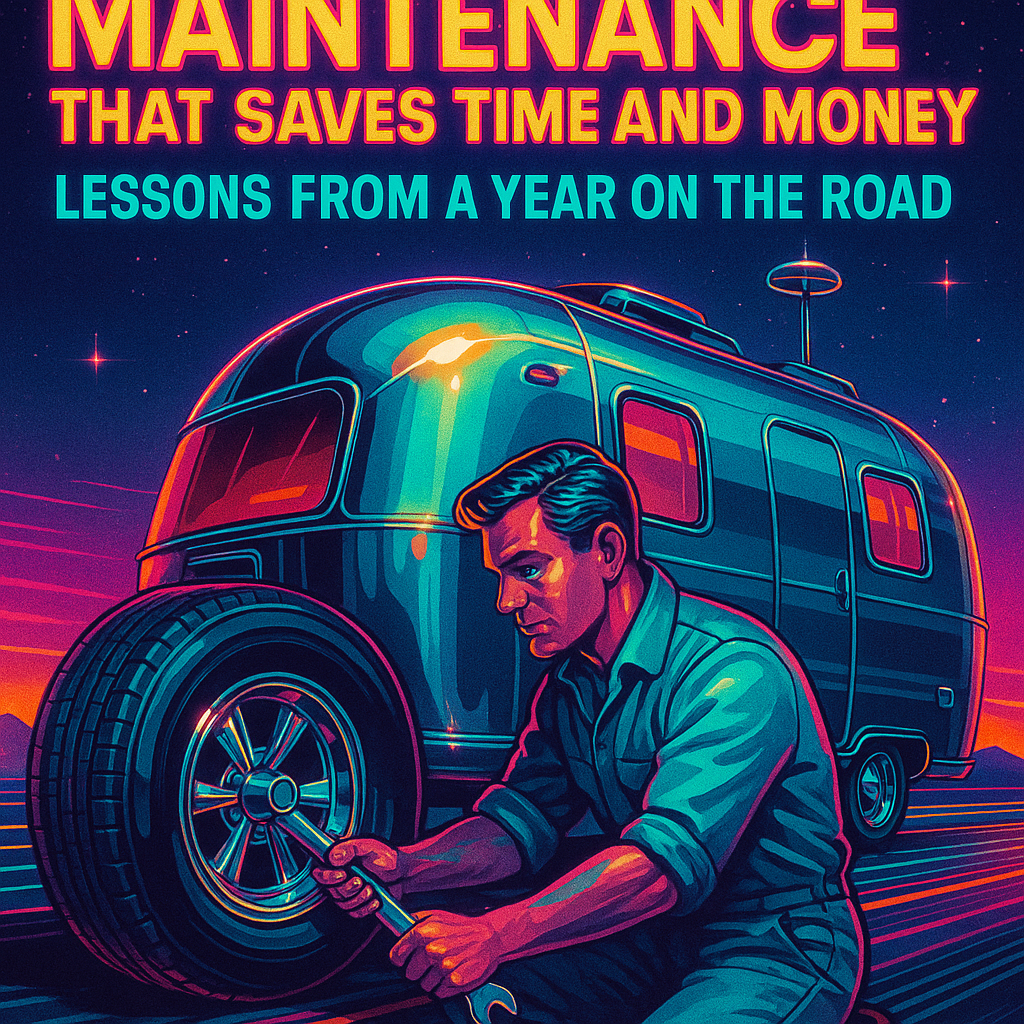
  • Trailer maintenance that saves time and money: lessons from a year on the road

    Trailer maintenance that saves time and money: lessons from a year on the road

    Trailer maintenance that saves time and money: lessons from a year on the road

    I learned the hard way that a day lost to a broken axle or a fried wiring harness costs more than parts and labor. On a spring morning, a routine delivery turned into a three-day delay because a neglected bearing failed 200 miles from the yard. That one failure forced route changes, overtime, and a frustrated crew. From that moment, trailer maintenance became the business process it should have been—not a task for ‘when we have time.’
    This article walks through practical, repeatable maintenance routines that cut downtime, trim operating costs, and keep trailers rolling. The primary keyword trailer maintenance appears throughout because it matters wherever trailers do real work.

    Start with a predictable inspection routine

    Treat inspections like a production line step. Instead of waiting for a problem to appear, run short pre-trip checks and longer monthly inspections on a predictable schedule. Keep a simple checklist and train every operator to use it every time.
    What to check on every pre-trip

    Tires, lights, and coupler

    Tire pressure and tread come first. Underinflated tires build heat and kill wheel bearings faster. Verify lights and signals before you leave. A loose coupler or worn safety chains are small fixes that prevent catastrophic failures.

    Brakes and bearings

    Listen for unusual noises when rolling a trailer by hand. Damp, gritty bearings or a dragging brake show up quickly if you look. Replace worn pads and repack or replace bearings on a set schedule tied to miles or months, not “when they act up.”

    Build maintenance into routes and schedules

    Maintenance that waits for downtime rarely happens. Instead, design routes and schedules to include short maintenance windows. For businesses that run multiple trailers, rotate units through quick service bays every few weeks.
    Make maintenance predictable by tracking usage
    Measure trailer miles, loaded hours, and environmental stress like salt or heavy dust. Use those numbers to set maintenance intervals. A trailer that carries salt or works in mud needs different service than one used for local, dry deliveries.
    Document what you do. A simple log with date, work performed, and who signed off prevents blame games and shows trending issues before they fail.

    Use the right spares and the right level of inventory

    Carrying every possible spare defeats the point of being nimble. Too few parts means long waits. The smart middle ground is a focused spare kit.
    What belongs in a mobile spare kit
    Keep tires, a spare hub or bearing kit, a set of brake components common to your fleet, spare bulbs and fuses, and basic electrical connectors. Store fast-moving small parts in a well-labeled box and replenish it after any repair.
    When to keep a depot stock
    If your fleet is large enough, maintain a small on-site stock of parts that frequently fail or have long procurement lead times. That reduces truck-down time and avoids emergency purchases at premium prices.

    Train people for ownership and small repairs

    Maintenance is faster and cheaper when operators own basic tasks. Teach every driver how to change a tire safely, check trailer wiring, and torque wheel studs. Confidence here prevents small problems cascading into big ones.
    When training matters most
    Short, hands-on sessions work better than manuals. Run quarterly refreshers and test people with real tasks. A crew that can diagnose electrical shorts or recognize a wheel bearing on the way out saves the business hours and hassle.

    Learn from failures and close the loop

    Every breakdown is feedback. When something breaks, do a quick post-mortem. Ask what signs were missed, how the schedule or inventory contributed, and what process change would prevent recurrence.
    Two simple post-mortem steps
    1. Record the sequence: symptoms, diagnostics, repair, and delay time.
    2. Assign one improvement and a deadline. Make the fix small and measurable.
    Those small changes compound. One shop I worked with added a single wiring harness clamp to a trailer and reduced recurring short circuits on that circuit by half.

    A mid-article note on planning and culture

    Good maintenance depends on clear leadership and the right visibility into operations. If you want ideas for building routines that stick, start with training and then add processes that people can follow. Leadership matters here: consistent expectations, visible metrics, and regular reviews make maintenance a predictable business input rather than an emergency output. For frameworks and concepts about operational leadership, see leadership.
    Equally, if you need to understand how visibility and searchability help customers and technicians find resources about trailer maintenance, reading material about practical online strategy helps. Consider basic principles of seo for service businesses to make documentation and parts lists easier to find by your team and vendors.

    Closing insight: make maintenance reliable, not heroic

    Heroic fixes are expensive. Reliable maintenance is predictable. Turn inspections into a habit, measure usage, stock the right spares, and teach your people to fix small problems before they grow. Do those things and you will reduce downtime, lower emergency repair costs, and keep work on schedule.
    A trailer that is cared for on purpose becomes a tool you can count on. The cost of that attention shows up not as parts and labor but as preserved schedules, steadier revenue, and fewer late-night repairs. Start small, keep it consistent, and let the process save you time and money.
  • Seasonal Trailer Maintenance: A Practical Checklist for Operators

    Seasonal Trailer Maintenance: A Practical Checklist for Operators

    Seasonal Trailer Maintenance: A Practical Checklist for Operators

    I learned the hard way the winter after I ignored a simple check and lost three days of jobs waiting on a trailer part. Seasonal trailer maintenance is what separates crews who roll out on time from crews who spend workweeks troubleshooting avoidable failures.
    This article walks through a pragmatic seasonal trailer maintenance checklist built for dealers, contractors, and tradespeople. It focuses on tasks you can do on the shop floor or the jobsite, shows what to prioritize, and explains how small habits save time and money over a season.

    Why seasonal trailer maintenance matters now

    Trailers sit through extremes. Cold shrinks rubber and stiffens hydraulics. Heat ages wiring and dries out seals. Spring and fall are the two windows when preventive work repays itself the fastest.
    A short, deliberate seasonal inspection prevents roadside failures, keeps insurance claims low, and protects your schedule. Think of maintenance as logistics: a predictable trailer is an on-time trailer.

    The seasonal trailer maintenance checklist you can use today

    Start with a walkaround and a written log. Do not rely on memory. Record the date, odometer or hour meter, and any observations. This simple practice makes recurring problems visible over time.
    Hitches and coupling
    Check mounting bolts and safety chains for tightness and wear. Grease moving parts, but inspect first; excessive grease can hide cracks. Test the coupler latch under load. A loose hitch creates variable handling and can bend tongues.
    Brakes and electrical
    Inspect brake shoes or pads, drums and rotors for scoring and uneven wear. Confirm ESC or electric brake controllers function before heavy loads. Walk the entire harness and test every light. A corroded ground is a common source of intermittent problems.
    Suspension and tires
    Measure tire tread and monitor for cupping or feathering. Rotate tires if your trailers sit long between jobs. Check air bags, leaf springs and shackles for cracks, rust-through and proper torque. Small sagging issues turn into frame stress if left unattended.
    Wheels and bearings
    Service wheel bearings following a time- or mileage-based schedule. Repacked bearings and fresh seals stop heat-related failure that appears suddenly. Use correct bearing grease and a torque wrench on lug nuts every time.
    Hydraulics and pumps
    Look for signs of contamination in hydraulic fluid and track fluid levels. Replace filters on a schedule and test cylinder seals under pressure. A small seal leak often becomes a lost day on site when parts are delayed.
    Body, doors and weather seals
    Inspect door hinges, latches and weather seals for compression set or tears. Replace damaged seals before rain seasons. Water intrusion rots floors and creates electrical shorts that are hard to diagnose later.
    Fasteners and frame
    Walk the frame and check for cracked welds, missing bolts and signs of stress around mounting points. Tighten bolts to factory torque specs. A visual inspection once a season catches fatigue before failure.
    Safety gear and emergency kit
    Verify the fire extinguisher, reflective triangles, and first aid supplies are within reach and in-date. Keep the trailer supplied with essential spares: a master electrical plug, a set of replacement bulbs, a spare tire and a simple seal/adhesive kit.

    How to schedule seasonal work without hurting uptime

    Plan a short, standard operating procedure for each season and train one tech to own the checklist. Make the inspection a billable or scheduled non-billable service so it occurs consistently.
    Batch similar trailers together. If you manage a fleet, take two trailers a week out of rotation rather than one long outage. Staggered work reduces peak disruption and spreads parts demand over time.
    Use logs to forecast parts. Low-turn items like seals and bearings become bottlenecks once multiple trailers show the same wear pattern. Forecast quantities from inspection logs and order parts in a single purchase to reduce lead time.
    Document failures and fix sources. If you find a recurring issue, dig one level deeper. For example, repeated lug-nut loosening often ties back to hub/axle runout or incorrect torque procedure. Fix the root cause, not just the symptom.

    Leadership and crew habits that make maintenance stick

    Maintenance succeeds or fails on the shop culture. Good teams treat checks like route planning. Make the checklist visible, short, and repeatable. Reward accuracy over speed.
    Teaching a new technician how to inspect a coupler or interpret bearing heat does more than stop breakdowns. It builds competence and confidence across the crew. For guidance on building durable crew practices, consider resources that focus on practical leadership for field teams.
    Pair training with measurement. Track how inspections affect downtime and repair costs. A clear link between inspection hours and fewer roadside calls wins buy-in faster than abstract arguments.

    One small change to start this season

    Pick one recurring failure you see in your trailers and add a single specific check to the seasonal checklist that targets that failure. Run that check for three months and measure results.
    Most operators underestimate the compounding effect of small fixes. Catch one loose lug, one cracked seal, or one failing light early and you avoid the dominoes that follow.
    Mid-season, review your inspection logs and adjust intervals. Seasonal maintenance is iterative. You will refine the checklist as patterns emerge.
    For help with online visibility and simple content that helps customers find your maintenance services, basic seo resources can clarify which terms job-site customers search for.

    Final insight

    Seasonal trailer maintenance is not a one-time chore. It is a rhythm that keeps trailers working when you need them most. Short, documented checks, routine parts forecasting, and consistent crew habits reduce surprises and protect schedules.
    If you leave anything to chance, it will be the thing that stops you on a Monday morning. Start this season with the checklist above and treat one small recurring problem until it disappears. You will save more than parts—you will save days.
  • Costly Mistakes Trailer Owners Make — Lessons from a Winter Job That Blew Up a Schedule

    Costly Mistakes Trailer Owners Make — Lessons from a Winter Job That Blew Up a Schedule

    Costly Mistakes Trailer Owners Make — Lessons from a Winter Job That Blew Up a Schedule

    On a January morning I climbed into a frozen job site and found a crew standing around while a flatbed sat with a shredded tire and a seized hub. The trailer had been fine the week before. Nobody expected a problem. That day cost us a lost day of work, a frustrated client, and an overtime invoice that hurt the bottom line more than the repair bill.
    This is the type of scenario behind the most costly mistakes trailer owners make. They are avoidable when you treat trailers as mission-critical equipment and apply a few simple checks and habits. Below I break the real problems into clear actions you can use on your next dispatch.

    Neglecting a short, consistent maintenance routine

    Most shops wait until something breaks. That approach works until it does not. A short, consistent routine catches wear long before it becomes a breakdown.
    Start with a 10-minute walkaround before you hook up. Check tire inflation and condition, lights, safety chains, coupler engagement, and visible signs of fluid leaks. Keep a simple checklist in the glove box and have drivers initial it. That small habit reduces surprise failures and creates accountability.
    Hubs and wheel bearings deserve their own monthly check during busy months. Grease, heat, and contamination damage bearings gradually. If a bearing runs hot for several miles it degrades quickly. Catching a hot hub at a staging area saves a tow from the middle of a job site.

    Quick hub check

    After a short drive, park on level ground, remove the wheel cover, and feel the hub near the axle. It should be warm, not hot. If it is hot to the touch, plan immediate service.

    Misjudging weight, load distribution, and hitch setup

    I once watched a trailer with a heavy load shift forward and overload the tongue on a windy road. The result was poor braking and trailer instability. Many costly failures start with loading decisions.
    Know your trailer’s gross vehicle weight rating and the tongue weight limits. Use scales when you change equipment or carry unusual cargo. Load distribution matters more than total weight for safe towing and braking.
    Invest a few minutes in setting the hitch height and securing the load every time. Secure tie-down points catch loads that shift during transport. A load that moves a few inches can change tongue weight enough to make the trailer feel dangerous.

    Skipping seasonal prep and environmental checks

    Trailers sit unused for months in some businesses. Weather and salt take their toll. A trailer that worked last fall can fail on the first spring run if it sits without basic care.
    Before long gaps in use, wash the undercarriage to remove salt and grime. Treat exposed metal with rust inhibitor and replace rubber components that deteriorate in cold or sun. Replace tires older than six years regardless of tread. Age, not visual tread alone, causes sudden failures.
    For winter work, carry a small kit for cold-weather failures: spare wheel, basic tools, a hub thermometer, and a heavy-duty jack rated for your trailer’s wheelbase. The right kit gets you back on the road faster and prevents an expensive tow.

    Overlooking electrical systems and lighting

    Lights and wiring get overlooked because they are out of sight until a safety stop or an inspection. I’ve been on jobs where an entire crew stopped at dusk because the trailer’s taillights failed. That delay cost more than the bulb replacement.
    Run a lighting check at the end of every day. Inspect wiring harnesses for chafe, cracked insulation, and corroded connectors. Use dielectric grease in connectors exposed to moisture and replace brittle wiring before it fractures.
    Modern jobs depend on trailers with powered components. If your trailer has brakes, winches, or lights on battery power, keep a charging routine and a replacement battery on site if downtime matters to your schedule.

    Failing to build leadership around predictable processes

    Equipment reliability is as much an operations problem as a mechanical one. Teams that treat trailer checks as optional create inconsistent outcomes. A small leadership change produces big improvements.
    Set simple standards everyone follows. Assign ownership of the trailer program to a person who enforces the checklist and schedules routine service. Encourage crew members to report minor issues immediately and reward quick fixes that prevent bigger failures.
    If you need a framework for consistent, measurable change, look for straightforward resources on leadership that apply to field teams. Practical guides can help shift habits without drama and bring predictable reliability to daily operations. leadership
    Mid-article note on visibility and business: if you rely on customers finding your trailer-based services, investing time in technical basics and online presence matters. For operators wanting to make their work easier to find, solid, practical guidance about search practices for trailer services is useful. A simple primer can help smaller shops get discovered by local clients. seo

    Closing: small routines, big returns

    The day lost to that frozen hub taught us one clear lesson. The expensive events rarely arrive out of nowhere. They follow small, repeated lapses in basic care, weight checks, and seasonal prep. Fix those three habits and you cut the number of emergency calls dramatically.
    Start with a 10-minute walkaround, a monthly hub and bearing check, accurate load weighing, and a short end-of-day lighting inspection. Make one person accountable and keep a starter kit on every truck. Those moves keep you on schedule, protect crews, and preserve margins in a very tight business.
    Treat trailers like the tools they are. The payback appears not in flashy upgrades but in fewer surprises and steady, predictable work.
  • Running a Trailer-Dependent Business: Three Operational Lessons That Save Time and Money

    Running a Trailer-Dependent Business: Three Operational Lessons That Save Time and Money

    Running a Trailer-Dependent Business: Three Operational Lessons That Save Time and Money

    I watched one of our crews stand in the rain while a trailer jack failed on a job in Kansas. That hour lost rippled through the day: delayed crew, missed appointments, frustrated customers, and overtime. For anyone who runs a trailer-dependent business, small failures add up faster than you expect.
    This piece pulls three operational lessons out of real field experience. Each lesson focuses on simple changes you can make today to reduce downtime, cut costs, and keep crews moving. If you run a trailer-dependent business, these are the practices that keep your operations predictable.

    1. Standardize the checklist so no one improvises in the yard

    When a team has to improvise, things break. Standardize a short, hard-to-ignore checklist for every trailer handoff. The checklist must cover the few failure points that stop work: hitch and coupler engagement, safety chains, breakaway switch, lights and connectors, tires, lug torque, bearing play, secure cargo, and jack condition.
    Make the checklist physical and portable. A laminated one-page card tucked into the trailer tongue box beats an app when phones die or signal drops. Require a signed initial at the start of each shift and a quick re-check at jobsite departure.
    The payoff shows in two ways. First, routine catches the slow failures—loose lugs, cracked wiring—before they strand a crew. Second, accountability shrinks the “that’s not my job” gaps between drivers, techs, and foremen. This reduces emergency calls and keeps labor predictable.

    2. Build a tiny parts cache and a rapid-repair habit

    Trailer downtime rarely needs a full shop. Most fixes come down to a handful of parts: spare bulbs and connectors, a couple of brake drums or shoes, grease, bearing protectors, spare lugs, and a basic jack or scissor jack. Keep a small, well-organized cache in one person’s truck or a yard locker.
    Train two techs to do a three-stage roadside repair: assess, stabilize, and move. Assess means a quick safety call: is the trailer secure and safe to move? Stabilize is temporary repairs that let you tow to the yard. Move is the decision to bring it back to the shop immediately rather than patch and send it back out.
    A tiny inventory and a trained quick-response pair reduce the number of full-day losses. You will still send things to the shop, but you cut the number of times crews wait for a tow truck.

    3. Schedule maintenance by use, not by calendar

    Calendars lie. A trailer used every day on gravel roads needs different service intervals than one that moves loads twice a month on paved highways. Track actual usage and schedule service by hours to miles to loads hauled, not just by month.
    Start simple. Keep a log in the trailer or on a shared spreadsheet that records towing miles, axle hours, and typical loads (heavy, medium, light). Review that log monthly and pull trailers into service when they reach wear thresholds you set from observed history.
    This approach reduces both under-servicing and over-servicing. You avoid catastrophic failures that happen when a trailer sits on a calendar and you also avoid wasting labor on inspections that add no value.

    Real-world systems that keep these lessons working

    These three lessons fail if they live only in a meeting. You need small operational systems that make them habitual.

    Make simplicity unavoidable

    Pin the checklist to the trailer. Label the parts cache clearly. Put the usage log where crews update it in seconds. The easier you make the desired action, the more consistently your crew will do it.

    Use one trusted escalation path

    When a trailer shows a problem the crew cannot fix in five minutes, escalate the same way every time. A single point of contact in operations decides: tow, patch-and-continue, or reschedule. That removes delays from argument and guesswork.
    If you want a short leadership primer on setting escalation rules, this article on leadership provides a concise framework that works in small operations. For anyone documenting their business online or organizing local search results, basic seo guidance can help make maintenance schedules and service pages findable to contractors and technicians.

    Closing: treat trailers like tools, not furniture

    Trailers sit at the center of fieldwork. When you treat them as a category of tools rather than large, passive assets, your decisions change. You invest in the habits that prevent failure: short checklists, a tiny parts cache, usage-based maintenance, and an obvious escalation path.
    Those shifts cost little and repay themselves in fewer emergency calls, more on-time jobs, and calmer crews. The next time it rains on a jobsite, you want your team fixing a tarp, not standing around with a stuck jack.
  • Five Costly Mistakes Trailer Owners Make — and How Operators Fix Them

    Five Costly Mistakes Trailer Owners Make — and How Operators Fix Them

    Five Costly Mistakes Trailer Owners Make — and How Operators Fix Them

    I learned the hard way that the phrase "trailer as a tool" only holds when you treat the trailer like the business asset it is. In the span of one brutal spring I faced three breakdowns, a failed inspection, and a half-day of lost revenue. That run came down to the same root problems I now flag to every crew: the costly mistakes trailer owners make.
    This article walks through five common failures I see on job sites and in yards. The focus is practical: what you spot at a glance, what you schedule weekly or monthly, and how to change simple habits so the trailer starts pulling profit instead of problems.

    1. Ignoring basic maintenance until it becomes an emergency

    Most trailers die slowly. A loose lug, a slightly low tire, or a hitch that binds will not announce itself dramatically. It will erode reliability over weeks until you lose a wheel or fail a job-site inspection.
    Treat maintenance like a short checklist, not a vague hope. Walk the trailer at the start and end of every shift. Check tire pressure and tread, test lights, and operate the jack and coupler under load. Record the checks in a paper log or simple spreadsheet so you can spot repeated issues.
    When you catch wear early, parts remain inexpensive and quick to replace. When you wait, downtime grows and small fixes balloon into replacement-level work.

    2. Overloading and poor load distribution

    I once watched a crew load a tandem-axle trailer with an excavator too far back. The tongue weight dropped, the trailer swayed at 45 mph, and we lost control of a run. Overloading and bad weight distribution cause sway, premature axle and tire wear, and damage to the tow vehicle.
    Know your trailer’s GVWR and tongue-weight range. Train loaders to place heavy items over the axles, not just inside the box. Use tiedowns rated above the load and check them after the first 10 miles and at every stop. A quick re-tie prevents long hours of vibration, stress fractures, and safety incidents.

    3. Neglecting the electrical system and lights

    Lights fail at the worst time. I once did a night delivery and discovered the trailer’s lights had corroded connectors. An otherwise simple job turned into a roadside fix that cost time and reputation.
    Pull connectors free of dirt and grease on a regular schedule. Use dielectric grease on pins to slow corrosion. Replace wire splices with proper butt connectors and heat shrink; don’t wrap connections with tape and hope. Test the full lighting circuit on the ground and while moving before long runs.

    4. Skipping paperwork and inspection readiness

    A trailer out of paperwork or inspection readiness stops your operation just as effectively as a broken axle. Registration tags, brake checks, and service records matter on the road and at bid time.
    Keep a single binder or digital folder with service receipts, inspection dates, and weight certificates. When a vehicle inspector or client asks to see records, you want them to prove the equipment’s reliability. That credibility wins jobs and makes roadside stops shorter and more predictable.

    5. Weak crew routines and unclear ownership

    Most repeat problems point to a human one: no clear ownership. When everyone assumes "someone else" handles checks, nothing gets done. When crews rotate without handoff, small faults compound.
    Create simple, enforceable routines. Assign a trailer owner for each shift or week. That person signs off on the checklist and flags issues. Make the sign-off visible to the whole crew. A short conversation at shift change prevents small problems from becoming big ones.

    How leadership and small process changes compound value

    A supervisor who models consistent checks changes culture faster than a memo. The soft skill of clear leadership matters. When the person in charge shows up with a clipboard and follows the same checklist, crews adapt because they see the result: fewer breakdowns and smoother runs.
    Make a 30-minute quarterly review part of the routine. Look at logs, parts replaced, and near-miss incidents. During reviews, prioritize the most frequent faults. You will find that improving one routine often reduces three separate failure modes.

    Practical tools and small investments that pay back fast

    Spend on quality tiedowns, a calibrated tire gauge, and a reliable lighting tester. These are small line items that remove major failure points. A $25 grease gun and consistent coupler lube prevents rusted jacks and frozen hitches.
    If you work with online discoverability for your business or listings, basic seo improvements for your service pages and equipment listings help attract reliable subcontractors and buyers when you sell fleet equipment. That better market visibility shortens replacement cycles and improves resale value.

    Closing insight: systems beat memory

    The single biggest benefit I saw after adopting these practices was predictability. Breakdowns moved from random, revenue-eating events to scheduled maintenance items. That predictability lets you plan work, keep customers on schedule, and budget for parts rather than surprise expenses.
    If you remember one thing, let it be this: a trailer that appears cheap to run because you ignore it will cost more in lost time and reputation than one that gets a few minutes of inspection daily. Build the routine, assign ownership, and treat the trailer as the tool it is. The rest follows.
  • Avoiding the Six Costly Trailer Mistakes That Kill Uptime: A Practical Trailer Maintenance Guide

    Avoiding the Six Costly Trailer Mistakes That Kill Uptime: A Practical Trailer Maintenance Guide

    Avoiding the Six Costly Trailer Mistakes That Kill Uptime: A Practical Trailer Maintenance Guide

    I was halfway through a week of jobs when my crew called to say the tilt trailer wouldn’t brake. We lost an afternoon, a client’s patience, and a day’s revenue while I swapped trailers and rebooked. The root cause wasn’t a catastrophic failure. It was a chain of avoidable oversights — basic trailer maintenance deferred until it became an emergency.
    This piece walks through the common, costly mistakes I see on the road and on lots. Each section gives field-tested steps you can start using today to keep trailers working, crews productive, and downtime minimal. The primary keyword trailer maintenance appears here because it’s the backbone of long-term reliability.

    Mistake 1 — Waiting for Parts to Fail: Build simple preventative checks

    Most owners treat trailer maintenance like firefighting. They wait for a light or a wobble and then react. That approach costs labor, rental replacements, and reputation.
    Start with a 10-minute daily walkaround. Check lights, tire pressure, and coupler fit. Log anything unusual and set follow-up windows. A small repair done on a scheduled day rarely trips the schedule the way an emergency repair does.
    Hinge points for this work: tires, bearings, brakes, electrical connectors, and safety chains. A quick bearing feel, a glance at brake adjustment, and a lamp swap can keep a trailer running through a busy week.

    Mistake 2 — Misunderstanding load and tongue weight: Know the numbers before you hitch

    I once took a landscaper’s overloaded trailer to a stop and felt the rear of the truck squat. The operator assumed the trailer fit the truck because the GVWR label existed. It didn’t. Overloading wears tires fast, strains brakes, and creates dangerous steering behavior.
    Weigh suspicious loads at a public scale. Measure tongue weight and keep it in the 10–15% range for most towed loads. Train drivers to load heavy items forward of the axle and to secure them so weight does not shift in travel. A properly balanced trailer reduces wear on suspension and brakes and improves stopping distances.

    Mistake 3 — Skipping routine brake and bearing service: Replace time with intervals, not guesswork

    Brakes and bearings live on different schedules depending on use. Heavy daily hauling needs more frequent attention than occasional weekend trips.
    Set interval triggers based on hours and miles, not feelings. For example, inspect bearings every 12 months or 12,000 miles, whichever comes first, and inspect drum or electric brakes every 6 months if you run daily jobs. When replacing bearings or pads, do both sides at once. That keeps the system balanced and avoids a repeated shop trip.

    Mistake 4 — Poor wiring and connector care: Keep electrical failures predictable and fixable

    Water and vibration ruin connectors faster than any other failure mode on trailers. Corroded pins cause intermittent lights, failed brakes, and late-night headaches.
    Use dielectric grease in plugs, swap cheap pigtails for sealed connectors, and secure wiring so it can’t chafe. Carry a spare harness and a small wiring kit in the truck. The right connector change at a job site can keep you on schedule instead of waiting for a tow.

    Mistake 5 — Treating trailers as tools without management: Create a short, realistic maintenance plan

    Trailers are tools. Tools need management. I run a simple maintenance board that ties each trailer to three checkpoints: scheduled inspection, next parts order, and recent repairs.
    Assign one person to weekly checks and to update the board. If you can’t give a full-time shop tech to trailer maintenance, use a rotating duty among crew leads. The point is to make the work predictable and to prevent single points of failure in knowledge.

    How to prioritize when time and budget are tight

    When you must triage, choose safety systems first: brakes, lights, coupler. Next, select components that create the most downtime when they fail: tires, bearings, and electrical harnesses. Budget a small parts pool and rotate parts in before they fail.

    Mistake 6 — Underinvesting in staff training and leadership: The human factor matters more than you think

    I’ve seen perfectly maintained trailers fail because a new driver didn’t secure the load or misread a gauge. Training prevents those mistakes. Leadership that enforces simple standards reduces risk.
    If you want frameworks for crew systems and frontline supervision, read about practical approaches to leadership that translate from office to lot. The right routine and culture reduce repeat failure and increase accountability. For operational content that aligns crew behavior to maintenance, consider integrating outside perspectives on leadership to shape your in-house routines. (leadership)[https://www.jeffreyrobertson.com]

    Mid-article operational tip — Make maintenance visible and measurable

    Post a one-sheet with inspection points in the yard and in each vehicle. Track the date, inspector initials, and next service due. Digital photos of problem areas speed diagnosis and ordering.
    If you manage a public-facing fleet or want to improve visibility into your trailer listings online, pair this operational work with basic seo practices on your listings and asset pages. Clear, consistent descriptions and maintenance logs improve trust with contractors and renters. (seo)[https://www.trailerseo.com]

    Closing insight — Reliability scales profitably

    Routine trailer maintenance does not produce dramatic wins overnight. It compounds. Each small inspection that prevents a roadside call builds into fewer missed jobs and lower repair bills over a year.
    Start with the walkaround. Set intervals for brakes and bearings. Train crews and make checks visible. Those three moves lower downtime faster than any single big-ticket upgrade.
    When you finish the day and the trailers all roll back to the lot ready for tomorrow, you will have earned the one thing every operator needs more of: time. Spend that time sharpening processes, not chasing failures, and the business follows.
  • Seasonal Trailer Maintenance: A Practical Plan That Keeps Your Fleet Moving

    Seasonal Trailer Maintenance: A Practical Plan That Keeps Your Fleet Moving

    Seasonal Trailer Maintenance: A Practical Plan That Keeps Your Fleet Moving

    I pulled into the jobsite the first week of March and found a trailer with a blown axle seal and mud-packed brakes. It cost a day of work and a tow. That morning reminded me that seasonal trailer maintenance is not a checklist you run through once a year. It is a rhythm you build into operations so trailers stay tools, not liabilities.
    When you run trailers for a living—hauling, landscaping, contracting, or rentals—weather and usage change fast. The right seasonal trailer maintenance plan reduces downtime, extends component life, and keeps safety audits clean. Below I share a field-tested approach I use with crews: simple inspections, predictable servicing windows, and how to get buy-in from people who would rather be hauling.

    Start with a short, repeatable seasonal trailer maintenance inspection

    Create a one-page inspection that a driver or tech can complete in five minutes. Focus on things that fail between jobs: tires, lights, wheel bearings, coupler and safety chains, and the trailer’s electrical connector.
    Do this inspection at the start of each season and after any heavy run. Record mileage or hours and note anything that looks different from the last check. Keep the form in the glovebox or on a phone form. Small friction when returning to the yard is the enemy. Make the inspection routine obvious and fast.

    Schedule maintenance windows by season, not by calendar date

    Don’t set service by fixed dates. Base the schedule on seasonal triggers: salt exposure in winter, high-humidity months, and heavy-use periods like harvest or construction season.
    For example, after winter salt runs end, flush and re-grease bearings and inspect brake drums. Before the busy season, move through tires and wheel torque, check suspension hangers, and test lights under load. After the busy season, do a deeper inspection for corrosion and fastener fatigue.
    This trigger-based approach keeps work aligned with what actually harms trailers, not with an arbitrary date on the calendar.

    Build a low-cost parts rotation system and a tool kit for the road

    Failures rarely happen alone. If a seal leaks, axle bearings often need attention. Stock a small bin with fast-moving parts: wheel bearings, seals, high-load lug nuts, spare light clusters, and a spare electrical pigtail.
    Train drivers to carry a compact road kit: wheel chocks, a torque wrench, a spare trailer plug, a basic sealant, and emergency lights. Replace anything used immediately. The cost of one on-site fix is almost always lower than a tow and a lost day.

    Make maintenance a people problem, not just a parts problem

    If maintenance is assigned to one person, it becomes single-point failure. Spread responsibility through clear roles. Drivers perform the quick inspection. A mechanic or lead tech owns scheduled greasing and brake service. A manager tracks records.
    Create short feedback loops so drivers report small issues before they become big ones. Invest in basic crew training on bearing inspection and lug torque. Leadership that understands the business of downtime changes behavior; when supervisors model consistency, crews follow. For a useful primer on leading practical change in field teams see this resource on leadership.

    Use simple metrics and keep records you can actually read

    Track three things: downtime hours, roadside repairs, and repeat failures by trailer. Record these in a single shared spreadsheet or simple shop log. Review the log weekly during peak seasons and monthly in slow seasons.
    If a particular trailer racks up repeat brakes or bearing issues, retire it for a deep inspection. Know which trailers absorb the most hours. That tells you where to invest in upgrades or replacements.

    Plan for exposure: salt, water, and payload

    Salt shortens the life of axles, springs, and fasteners. After winter runs flush components and spray corrosion inhibitors on vulnerable areas. For wet-season work, prioritize sealed electrical connectors and check floor fastenings.
    Match trailers to payloads. Overloading a light trailer for months simply accelerates wear and creates hidden failures. If you must run heavier loads, tighten inspection frequency and increase greasing intervals.

    Keep your paperwork and your online presence supporting honest work

    Customers and inspectors check records. Keep simple, accurate maintenance logs that show regular service and responsible repairs. Those logs matter at dispute time and during safety audits.
    Also remember that steady, factual online information helps customers and subcontractors find you when they need a trailer-based solution. A practical, searchable site with clear service pages makes it easier for local partners to understand your capabilities. If you need basics on how local businesses use seo to get found, there are straightforward, non-technical guides available.

    Closing: small routines prevent big disruptions

    The costliest maintenance decisions are the ones you did not make. A short inspection habit, service windows tied to exposure, a small stock of spares, and shared responsibility stop small problems from stealing days. Treat seasonal trailer maintenance like a crew routine. Do it often. Keep the steps simple. When a trailer is a reliable tool, your business runs on time and your team keeps moving.
    You will still get surprises. You will still spend a day fixing something you did not expect. But with a plan that respects seasons, exposure, and human habits, those days become rare instead of routine.
  • Trailer Maintenance Checklist: Common Mistakes That Cost Time and Money

    Trailer Maintenance Checklist: Common Mistakes That Cost Time and Money

    Trailer Maintenance Checklist: Common Mistakes That Cost Time and Money

    I learned the hard way that a good trailer maintenance checklist is not an optional file in the glovebox. On a wet Tuesday in late fall, a routine haul turned into a day-long repair when a neglected hub failed on the interstate. The load was safe, but my schedule and profit took a hit that could have been avoided with a few simple habits.
    This piece walks through the costly mistakes I see every season and the exact fixes crews can implement. These are practical steps for owners, fleet managers, and tradespeople who rely on trailers to keep work moving.

    Overlooking wheel-end checks that lead to roadside breakdowns

    Wheel-end failures show up fast and without warning. Most start as a minor vibration or a slightly warm hub at the end of a long run.
    Start with the basics on every pre-trip: lug nut torque, bearing play, and hub temperature. Torque lug nuts to the manufacturer spec and recheck after the first 50 miles following any wheel work. If you use greaseable bearings, inspect the grease condition and replace seals at the first sign of contamination.

    Quick inspection routine

    Walk around the trailer before you tow. Spin wheels by hand when safe. Look and feel for looseness. Carry an infrared thermometer for spot checks during long hauls. This small tool catches overheating hubs early and costs less than a single tow.

    Skipping electrical checks and letting small faults become big problems

    A broken tail light is frustrating, but a shorted harness can take a trailer out of service. Corrosion in connectors, pinched wires, or a failing junction box often start as intermittent issues that escalate.
    Inspect connectors for corrosion and proper seating. Use dielectric grease on exposed pins and strain-relieve any wiring that rubs against metal edges. Replace brittle wires before they fail in the field.

     Power source and ground integrity

    Test the tow vehicle and trailer ground together. Poor grounding leads to dim lights, false ABS faults, and unreliable brakes on electric-over-hydraulic systems. Confirm continuity from the trailer frame to the connector ground pin and secure any loose bolts.

    Ignoring suspension and frame wear until it becomes a safety risk

    Trailers get heavy loads, rough roads, and frequent stops. Suspension components wear predictably, but operators treat them like surprises.
    Schedule an inspection every 6 months for leaf springs, shackles, hangers, and bushings. Replace worn shackles and cracked spring leaves immediately. A failing spring shifts the load path and accelerates wear on tires and axles.

    Frame and mounting points

    Check welds, bolt torque, and mounting brackets for cracks. Hairline fractures can grow quickly under load. Use soap-and-water to identify slow leaks in sealed compartments or roof seams.

    Neglecting tires and alignment that eat profit quietly

    Tires are the single largest recurring expense after fuel. Underinflation, uneven wear, and old age drain efficiency and invite blowouts.
    Perform a cold tire pressure check weekly for fleet trailers. Match tire pressures to load charts not to vehicle tires. Rotate tires on tandems and watch for feathering that signals misalignment.

    When to replace

    Replace tires when tread reaches 4/32″ on steer or 2/32″ on trailers, or when sidewall damage appears. For trailers used in commercial service, age matters. Tires over six years need close inspection even if tread looks fine.

    Failing to document maintenance and losing institutional knowledge

    Repair records and inspection logs are the difference between reactive fixes and planned, efficient upkeep. When only one person knows the quirks of a trailer, downtime increases when they are absent.
    Keep a simple, consistent log tied to each trailer. Note dates, mileage, torque values, and parts replaced. Over time this data reveals patterns: certain routes, loads, or operators that accelerate wear.
    This is where operational leadership matters. The best fleets combine practical checklists with clear roles so inspections happen reliably. If you want a concise primer on leading field teams and maintaining accountability, a short resource on leadership can help frame those conversations leadership.
    Midway through a season, use your logs to build an annual service calendar. That calendar stops surprises and spreads costs across quieter months.

    Small investments in organization that save big headaches

    A compact parts kit for each trailer keeps common spares on hand. Include wheel studs, hub seals, fuses, a spare tail-light assembly, and a short length of electrical harness. Storing parts with clear labels prevents long waits and expensive emergency orders.
    Also, take a look at how your business appears online. When customers or partners search for your services, they find your trailer and equipment presence first. Improving basic site content and local listings is straightforward and useful; a primer on seo tailored to trailers will point you in the right direction seo.

    Closing: a maintenance mindset that protects revenue

    The extra 30 minutes a week for a proper trailer maintenance checklist returns itself many times over. You stop losing days to breakdowns, you extend component life, and you maintain the trust of clients and crews.
    Practical habits win over heroic repairs. Torque, inspect, record, and replace on a predictable schedule. Teach those habits to your crew and embed them in your operations. The result looks boring on paper but reliable in the field. And reliability is where real profit and fewer headaches live.
  • Creating a Clean and Modern Website for RV and Trailer Rentals

    Introduction to RV and Trailer Rental Websites

    Designing a clean and modern website for rvandtrailerrental.com is essential for connecting with the RV and trailer rental community. A well-structured platform can inform and engage users while showcasing the latest industry stories and trends. This blog post outlines the key elements required for a professional online presence.

    Main Components of the Website

    The RV and trailer rental website should feature only two main sections: the home page and a dedicated blog/news area. The home page serves as a landing hub, clustering essential information and guiding users seamlessly. The blog section is critical for sharing articles, news reports, and insights about local businesses, rental owners, and industry developments.

    Design Aesthetic and Branding

    To evoke feelings of freedom and exploration, the overall style should embrace a modern, adventure-outdoor aesthetic. Utilizing a primary color palette with deep forest green conveys reliability and community. Subtle backgrounds featuring scenic roads, RVs at campsites, and open landscapes can enhance engagement without overshadowing the content.

    Moreover, keeping the interface uncluttered and user-friendly ensures visitors can easily navigate through categories or access archives, leading to a positive user experience. A professional web design will position rvandtrailerrental.com effectively within the industry, attracting both rental owners and travelers looking for insightful information.